
If you’re new to investing, you’ve probably seen both Acorns and Robinhood pop up everywhere. They’re two of the biggest names in the “invest from your phone” world—but they couldn’t be more different. One lets you trade stocks like a pro. The other invests your spare change automatically while you live your life.
The real question isn’t which one is “better.” It’s which one fits you. Do you want control, excitement, and full visibility? Or do you want a system that quietly grows your money without you lifting a finger? Let’s break down the real differences so you can make a smart choice—not just follow the hype.
How These Apps Think About Money Differently
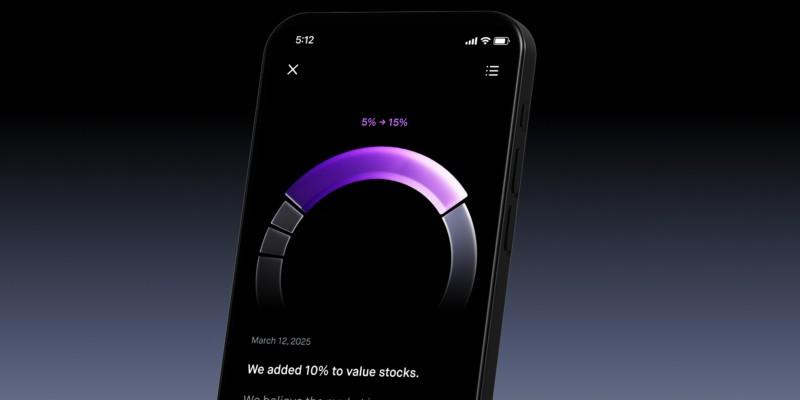
Robinhood and Acorns aren’t just apps. They represent two opposite philosophies about money. Robinhood was built to democratize investing. You can buy and sell stocks, ETFs. It’s all about giving you the power to invest however you want. You’re the driver. The app is your dashboard.
Acorns takes the opposite route. It’s built for people who don’t want to think about investing every day. It rounds up your purchases, invests the spare change, and builds a portfolio in the background. No stock picking. No stress. Just quiet progress.
Robinhood says, “Take control.” Acorns says, “We’ll handle it.” The question is: which style matches your mindset? If you like checking your portfolio every morning, Robinhood will feel like home. If you prefer forgetting your investments until tax season, Acorns wins.
Who They’re Really Built For
Each platform attracts a different type of person.
Robinhood speaks to the doers—the ones who want to experiment, take risks, and learn by playing the game. It’s for people who love the idea of buying Tesla or Apple shares directly and watching the charts move in real time. You want to feel the market, not just read about it.
Acorns, on the other hand, is made for people who want peace of mind. Maybe you’ve never invested before, or you just don’t have time to study markets. Acorns makes it simple. You connect your bank card, and boom—it invests for you automatically. You don’t need to think about what ETF means or when to buy the dip.
So ask yourself: do you enjoy being hands-on, or do you just want your money to work quietly in the background? Your answer decides everything.
A Closer Look at the Experience
Using Robinhood feels like stepping into a trading floor—only in your pocket. You get clean charts, customizable alerts, and quick trade execution. You can research companies, follow market news, and feel like you’re part of the action. It’s fast, slick, and designed to make you feel like you’re doing something smart every time you swipe.
But that same speed can be a double-edged sword. The more you trade, the easier it is to get emotional about your moves. It’s exciting but can be stressful if you’re not disciplined.
Acorns gives you a totally different vibe. You set up your account once, pick a risk level, and forget it. The app does the rest. It invests your round-ups from daily spending, automatically rebalances your portfolio, and even gives you little nudges to save more. It feels calm and structured.
In short, Robinhood gives you control. Acorns gives you calm. One feels like a game, the other feels like autopilot. Both have their place—depending on your personality.
What You Actually Get for Your Money
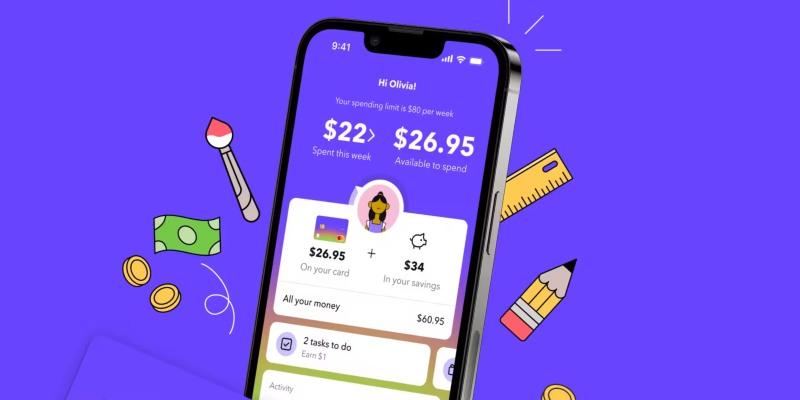
Now let’s talk about costs. Robinhood’s biggest appeal is that trading is free. No commissions. You can buy and sell stocks, ETFs anytime without fees. If you want extras—like professional research, higher interest on uninvested cash, and instant deposits—you can upgrade to Robinhood Gold for $5 a month. That’s optional.
Acorns charges a flat monthly fee, but that fee includes portfolio management, rebalancing, and even checking or savings accounts. The tiers go like this:
- Bronze: $3 a month
- Silver: $6 a month
- Gold: $12 a month
You also get things like an IRA match on higher tiers and access to a built-in banking system. It’s not free, but it’s structured and predictable.
So while Robinhood can technically cost you $0, it requires more time and decision-making. Acorns costs a few bucks a month, but it saves you the work. It’s a trade-off between money and mental energy.
How They Build Your Portfolio
Robinhood gives you freedom. You can buy individual stocks, ETFs. You can trade fractional shares—so you don’t need to buy a full $300 stock to get in. It’s great for people who want to experiment, diversify, or follow trends. But there’s no one holding your hand. You make the calls. You also take the hits when things go south.
Acorns works differently. You don’t choose your investments. The app builds a diversified portfolio for you using ETFs that include U.S. stocks, international stocks, bonds, and even real estate funds. It’s designed by financial experts and rebalanced automatically. You can also choose a sustainable, ESG-friendly portfolio at no extra cost.
Robinhood offers flexibility. Acorns offers structure. If you want to learn how markets move, go to Robinhood. If you just want a balanced mix that grows long term, go to Acorns.
When It Comes to Learning and Support
Robinhood shines when it comes to data and analysis tools. You get access to Morningstar research and real-time market data with a Gold subscription. The app also has 24/7 chat support and phone support during business hours. But here’s the catch: Robinhood doesn’t really teach you. You’re expected to learn as you go.
Acorns focuses more on building habits. It offers learning resources, money tips, and personalized reminders that encourage better saving and investing behavior. It’s less about technical analysis and more about helping you stick to good habits.
In short, Robinhood gives you tools to trade. Acorns gives you tools to grow. The right choice depends on whether you want to understand the markets or just build wealth without thinking too hard about it.
The Verdict: Which One Deserves Your Dollars?
Here’s the truth: there’s no universal “winner.” It’s about what you need right now.
If you want to trade stocks, test strategies, and have full control, Robinhood is your move. It’s built for people who want to feel the market in real time. You’ll learn fast—sometimes the hard way—but you’ll grow as an investor.
If you’d rather take a back seat and let your money grow quietly, Acorns is perfect. It’s simple, safe, and structured. You don’t have to think about it every day. You just keep living your life while your portfolio does its thing.
Some people even use both. They let Acorns handle long-term investing while using Robinhood for active trading. That combo gives you the best of both worlds—steady growth plus hands-on learning.
At the end of the day, you’ve got to ask yourself: do you want to steer the ship or just enjoy the ride? Either way, both Acorns and Robinhood get you moving toward the same goal—building real wealth in your own way.