
One of the most thrilling events in life is welcoming a baby into the world. Parents may experience a lot of happiness, comfort, and a little concern in those opening few minutes. Doctors quickly check how well the newborn is adapting as the baby is being softly cleaned and wrapped. During this period, you might come across the term "Apgar". This word often perplexes or concerns many parents.
In reality, however, doctors primarily use it to guide treatment in the first few minutes. Understanding the meaning of the Apgar score can help parents feel more secure and informed. Knowing that your baby's well-being is being strongly supported from the beginning lets you concentrate on building a relationship with them.
What Is the Apgar Score?
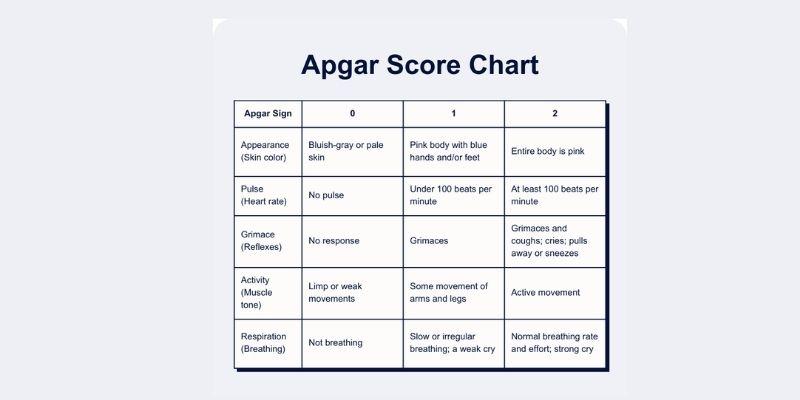
The Apgar score is a method used by doctors to quickly assess a newborn's health. Dr Virginia Apgar developed it in 1952 because she needed a quick and easy way to assess babies shortly after they were born. The test is conducted extremely quickly in the delivery area, allowing newborns who require treatment to be identified promptly. Five distinct markers of health are tested one at a time.
The goal is to determine how the newborn responds to life outside the womb during the first few minutes after birth. This rapid technique enables medical workers to determine if they require assistance immediately. The score isn't meant to diagnose; it is only a first snapshot of the baby's health. It helps paint a clear picture of the baby's health right away.
The Five Areas Measured
The Apgar score consists of five sections. There are three scores for each part: 0, 1, or 2. The sum might be anywhere from 0 to 10 when added.
- Appearance (Skin Color): Doctors look at the hue of your baby's skin. Good oxygen levels are shown by pink skin. If something is blue or pale, it can suggest it has less oxygen.
- Pulse (Heart Rate): A robust heartbeat is a wonderful thing. A score increases if the rate exceeds 100 beats per minute. A lower score means a slower heartbeat.
- Grimace (Reflex Response): This test measures how your baby responds to being touched or stimulated. A powerful shout or movement is a sign of good reflexes.
- Activity (Muscle Tone): Doctors assess how active your baby's muscles are. Strong movement gets a better score than limp or weak movement.
- Respiration (Breathing): Steady and forceful crying indicates adequate breathing. If you breathe weakly or slowly, you may require additional support.
How the Scoring Works
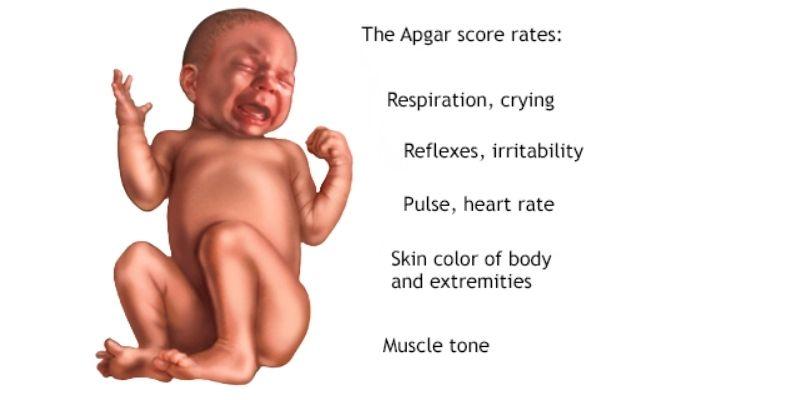
The Apgar scoring system is straightforward, allowing doctors and nurses to use it immediately. We award each of the five health signals a score of 0, 1, or 2 based on how effectively the infant demonstrates that sign. For instance, a strong heartbeat or a high level of activity results in a higher score, while a weak response receives a lower score. After measuring all five indicators, the figures are summed up to yield a total.
The highest score is 10 and the lowest is 0. The higher the number, the more stable the infant seems at that time. A lower number means that extra help or attention may be needed. The test is quick and well-organized, so it only takes a few seconds to complete. This efficiency enables medical workers to identify areas that require immediate attention. The scoring system helps keep everything organized during a baby's first checkup.
The One-Minute and Five-Minute Scores
The Apgar test is unique because it is performed multiple times, allowing doctors to quickly track changes. One minute after birth, the first score is provided. This very early score reveals how well the infant did during delivery. The second test occurs five minutes later, providing a clearer picture of how the baby is adjusting after a brief period of breathing, moving, and responding outside the womb.
Doctors gain two points of view instead of just one by doing this repeatedly. If necessary, the test can be retaken later, especially if the result after five minutes is not satisfactory. The data can help medical teams decide if they need to monitor the patient. Having both scores gives a clear picture of how the baby's condition changes in those first minutes. It also makes parents feel better when they realise that their child's score has improved from the first attempt to the second.
Why the Apgar Score Is Important
The Apgar score is crucial because it provides doctors and nurses with a consistent method to assess infants immediately. This brief check ensures that all newborns receive the same level of care, regardless of their mode of birth. The score enables doctors to identify serious problems in seconds, which is particularly important in the delivery room. It ensures that no time is wasted if a newborn needs help breathing, maintaining their temperature stability, or receiving stimulation.
The score also gives parents peace of mind by giving them a simple way to see how their child is doing shortly after they arrive. Hospitals use the Apgar score to ensure that newborns receive the same level of care every time, which reduces the risk during those initial few minutes. It also fosters trust because parents can better understand the figures than complicated medical terminology. The Apgar score is important because it helps with quick and effective care for newborns.
Conclusion
The Apgar score is a quick and easy method to assess a newborn's health in the first few minutes of life. It helps doctors determine how the infant is progressing after birth. The figures may appear alarming, but they are intended to support urgent care and don't indicate anything about long-term health or growth. Parents can feel reassured and avoid unnecessary worry once they understand what the score means. You may trust the medical team's skill and not worry about the number. Instead, you can focus on connecting with, reassuring, and enjoying your baby's first few moments.