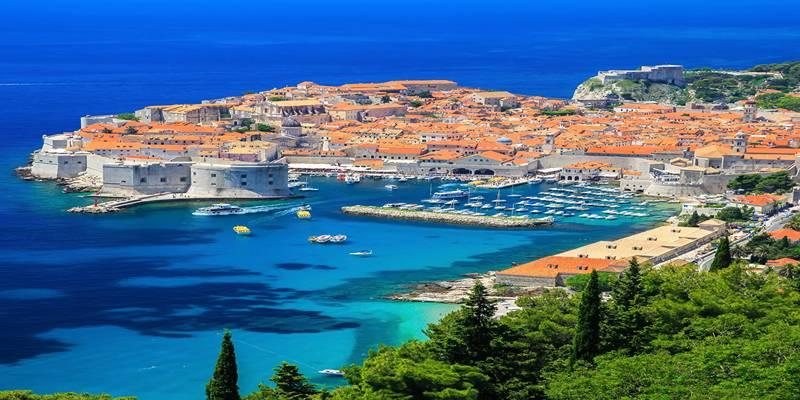
Charleston, South Carolina, has a way of slowing things down. Time doesn’t stop here, but it stretches—just enough to make a long weekend feel fuller. Mornings start with the sound of hooves on cobblestone and the scent of salt in the air. Buildings lean gently with age, not wear. Charleston doesn’t perform for visitors—it simply exists in its own rhythm. A few days here don’t feel rushed or overfilled. They settle in gently, offering a mix of history, food, and calm that's hard to shake off when it’s time to leave.
Strolling the Historic District
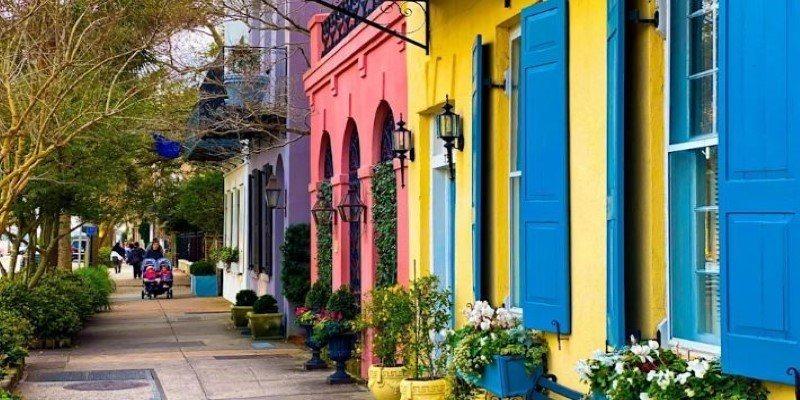
Charleston’s Historic District feels like it was built for wandering rather than rushing. Streets bend gently, lined with live oaks whose branches form green tunnels overhead. Begin your walk at the Battery, where pastel mansions gaze out toward the harbor. Rainbow Row may be the postcard image, but its real impact comes when you stand there and notice the peeling shutters, the weathered brick, and the sense that these homes have seen centuries of tides and stories pass by.
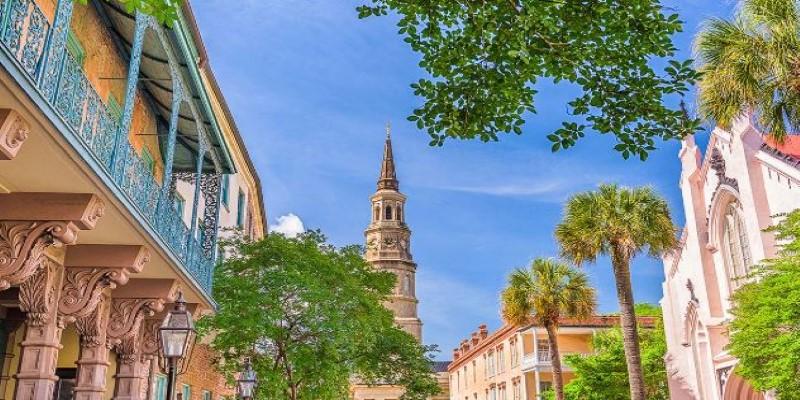
Head toward King Street, and the pace changes. Here, the air buzzes a little—shops open their doors, galleries spill color into the windows, and the Charleston City Market hums with voices. You’ll find sweetgrass basket makers weaving patterns by hand, continuing a Gullah tradition that has survived for generations. These aren’t just keepsakes; they’re a living piece of Charleston’s cultural memory.
South of Broad is where the city slows to a near whisper. Large homes with wide porches seem to welcome you without words. Streets like Church and Tradd are shaded and quiet, almost suspended in time. Walk without a map, and you’ll stumble upon hidden gardens, iron gates, and corners where the city feels like it’s sharing a secret only with you.
Exploring the Local Flavors
Charleston is built on Lowcountry cooking, and meals here linger in the mind. The food reflects the land—marshes, coastlines, and fields—and a deep respect for slow preparation. Shrimp and grits, stewed okra, she-crab soup—none of it is flashy, but every bite feels tied to the region’s roots.
Start with a hearty breakfast, maybe a biscuit layered with pimento cheese or country ham. At midday, small eateries serve plates that balance comfort and history. Much of the seafood you’ll eat was pulled from local waters that same morning. Fish is often grilled with just enough seasoning to bring out its natural flavor, while sides like rice, beans, and collard greens remind you of the area's farming heritage.
Charleston’s connection to its food goes beyond ingredients—it’s about where recipes come from and how they’ve been handed down. Even dessert keeps things simple: pecan pie, banana pudding, or benne wafers with sesame that trace back to African cooking traditions. You don’t need to chase anything trendy here. The food is honest, and it’s made to be remembered.
Day Trips and Coastal Air
Charleston's surroundings offer the kind of peace you don't find in cities. A short drive brings you to wide beaches and quiet places that extend the feeling of your weekend.
Sullivan’s Island, just across the bridge, has long been a favorite for people wanting open skies and a steady breeze. There’s no rush, no crowds pressed together, just clean sand, shallow surf, and calm. You’ll see families walking, locals reading under umbrellas, and the occasional kite high above. The charm here is in its quiet.
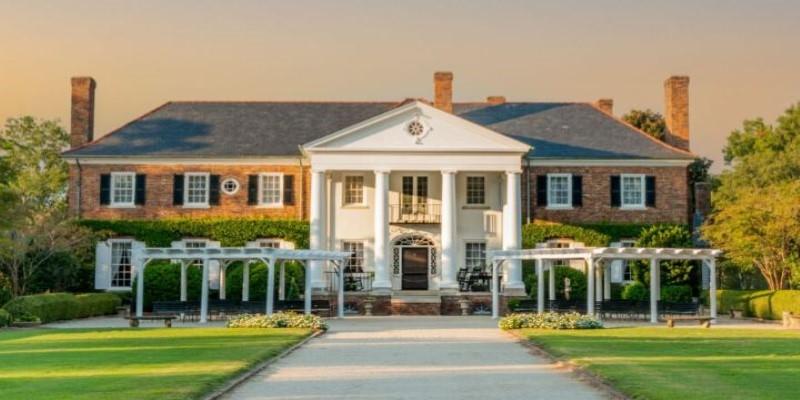
Boone Hall Plantation gives another glimpse into Charleston’s layered history. Its avenue of oaks is stunning, but it’s the preserved slave quarters that hold more meaning. Touring them opens a conversation about the city’s past that is necessary, respectful, and grounded. Boone Hall doesn’t present a perfect version of history, and that honesty leaves an impression.
For something gentler, Magnolia Plantation and Gardens offers walking paths through wetlands and gardens filled with camellias and azaleas. Spanish moss hangs thick from old branches, and the reflections in the swamp feel like still paintings. It’s easy to find a bench and sit for a while without checking the time.
Evenings That Stretch a Little Longer
Charleston changes with the light. Late afternoon melts into evening without fuss, and the city feels softer. Shadows stretch across brick walls, and the harbor catches the last bits of gold.
Dinner is unhurried. Whether you’re in a family-run kitchen or a restaurant tucked inside a historic building, the service feels like part of the place. Expect local fish, stone-ground grains, or a stew that’s been simmering most of the day. Even modern menus here tend to respect tradition.
After dinner, walk down to Waterfront Park. The Pineapple Fountain glows gently, and the benches fill with people who don’t seem in a hurry. Carriages pass at a slower pace, and the sounds of conversation mix with the water’s edge.
Where you stay matters; Charleston is full of restored inns, often inside homes built long before the Civil War. These places have character—wood floors that creak a little, tall windows, and porches made for sitting. Mornings might come with the sound of birds or church bells in the distance. It all feels lived-in, not made up for tourists.
Conclusion
Charleston doesn’t ask you to do much. A long weekend here isn’t built on lists or big attractions. It’s more about how it makes you feel—unrushed, welcome, grounded. The city’s beauty isn’t just in its buildings or food but in the way people move through it, the way it holds onto its past without clinging. You come for the quiet streets and leave remembering the smell of jasmine, the warmth of brick after sunset, and how even a short visit can stay with you. It doesn’t feel like a break—it feels like a return to something steadier.