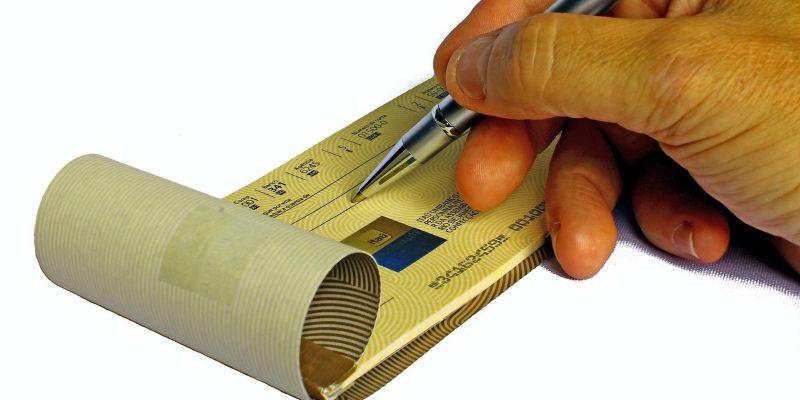
You’ve probably been there. You need to pay someone, but cash feels risky, and they don’t take personal checks. Maybe it’s your landlord, a car seller, or a college office asking for “certified funds.”
Now you’re stuck wondering—what do you actually use? A cashier’s check? A money order? They both sound kind of old-school, but sometimes, they’re exactly what you need.
Let’s break it down the easy way. By the end of this, you’ll know when to grab a cashier’s check, when a money order makes more sense, and how to avoid getting ripped off in the process.
What Exactly Is a Cashier’s Check?

A cashier’s check is the bank’s version of saying, “We got you.” You walk into your bank, ask for one, and the bank prints it using their own account funds—not yours.
Here’s how it works. The money comes out of your account right away, and the bank guarantees it. So, when the person you’re paying deposits it, it’s as good as cash. That’s why people trust these for big stuff—like buying a car or closing on a house.
Banks usually charge around ten to fifteen bucks for it. And they print your name, the payee’s name, and the exact amount on the check. Clean, official, and safe.
Think of it as a heavyweight version of a regular check. No “waiting to clear.” No bounced payments. Just instant confidence.
But here’s the deal—you can only get one from a bank or credit union, and you usually need an account there. So it’s a little less convenient if you’re in a rush or don’t have a nearby branch.
The Humble Money Order: Small But Mighty
Now, money orders—these are the budget-friendly, on-the-go option. You can grab one at the post office, Walmart, 7-Eleven, CVS, or even the grocery store. They usually cost just a buck or two.
When you buy one, you pay the full amount upfront. That’s the main difference. You hand over the cash or swipe your debit card, and they give you a slip that acts like a guaranteed payment.
You fill in the recipient’s name, sign it, and hand it off. Simple. No bank account needed.
Money orders are awesome for smaller amounts—usually under a thousand dollars. Need to mail rent? Pay a bill? Send money to someone who doesn’t have a bank account? Perfect.
The catch? Because they’re so easy to get, they can also be easier to fake. And if you lose one, replacing it takes time. But overall, for small, personal transactions, money orders get the job done safely and affordably.
Breaking Down the Key Differences
Here’s where we get into the real talk. Cashier’s checks and money orders both move money securely. But they’re not the same game.
Security: Cashier’s checks win this round. Since they come from a bank and are printed with watermarks, signatures, and special paper, they’re hard to fake. Money orders are still secure but easier to counterfeit, especially the cheap ones from random convenience stores.
Cost: Money orders are cheaper, no question. Usually under five bucks. Cashier’s checks will set you back around ten to fifteen dollars. So if you’re just paying a $200 bill, a money order makes more sense.
Amount Limits: Money orders usually cap at $1,000. You can’t use them for big stuff like buying a car or paying a down payment. Cashier’s checks, on the other hand, can handle any amount.
Where You Get Them: Cashier’s checks come only from banks or credit unions. Money orders? Everywhere. Post office, retail stores, and even gas stations sometimes. That makes them easier to grab on the go.
Speed and Access: If you already have a bank account, cashier’s checks are quick. But if you don’t—or your bank is closed—money orders are faster and more flexible.
In short, cashier’s checks are your go-to for high-stakes, high-dollar payments where credibility matters. Money orders are the everyday workhorse—easy, safe, and perfect for smaller stuff.
Both keep you away from the headache of carrying cash or worrying about bounced checks.
When To Use Each One
Let’s make this super practical. You don’t need to memorize rules—you just need to think about the situation.
Use a cashier’s check when:
You’re making a big payment that needs official proof. Like buying a used car from someone who wants guaranteed funds. Or making a down payment on a home. Or paying tuition.
Basically, anytime you need something that screams “legit,” go with a cashier’s check. It gives both you and the other person confidence.
Use a money order when:
You’re dealing with smaller amounts, like rent, a utility bill, or sending money to someone who doesn’t use a bank. It’s also perfect if you want to mail a payment but don’t want to risk cash getting lost.
Money orders are the people’s choice—cheap, fast, and available everywhere.
Here’s an example. Say you’re paying your landlord $900 for rent, and they don’t take checks. A money order’s perfect. But if you’re dropping $5,000 on a car, go with a cashier’s check every time.
One more tip: always ask the person or company what they prefer. Some might only accept one type for bookkeeping or fraud prevention reasons.
The Hidden Risks and Red Flags
Alright, let’s talk about the ugly side—scams. Unfortunately, both cashier’s checks and money orders can be faked.
The most common scam looks like this: someone sends you a check or money order for “too much” and asks you to send the extra back. You deposit it, it “looks” legit, but a few days later, the bank tells you it bounced. And boom—you’re out of the money.
Here’s how to stay safe:
- Never accept a cashier’s check or money order from a stranger online without verifying it.
- Only buy them directly from the source—your bank, the post office, or a trusted retailer.
- Always fill in the recipient and your info right away. Don’t leave it blank.
- Keep the receipt. It’s your proof if something goes wrong.
If something feels off, call the issuing bank or post office to verify the number. A 2-minute phone call can save you hundreds of dollars.
The truth is, scams thrive on trust. So stay skeptical, double-check, and don’t rush any transaction.
The Smart Way To Send Secure Payments
Here’s the bottom line. Both cashier’s checks and money orders are safe, guaranteed ways to pay—if you use them right.
Cashier’s checks are the heavy-duty option. They’re backed by a bank and perfect for big payments that need credibility. Money orders are the everyday heroes—cheap, easy, and great for quick, smaller transactions.
Pick based on what you’re paying for, how fast you need it, and who’s on the other end. If you’re ever unsure, ask before you pay.
We all deal with money moments that need extra safety. Knowing the difference between these two gives you control—and peace of mind.
When the next “certified funds only” moment comes up, you’ll know exactly what to grab and why.
Because when it comes to your money, confidence isn’t optional—it’s everything.