Colorado's towering peaks offer spectacular backcountry skiing, featuring untouched powder, challenging terrain, and breathtaking vistas. It's the ultimate freedom from resort crowds. However, this comes at a high price: avalanche training, the right equipment, and respecting the wilderness are essential for safety. Colorado offers some of the world's best experiences at every skill level, including accessible tour options and remote, multi-day adventures.
Jones Pass
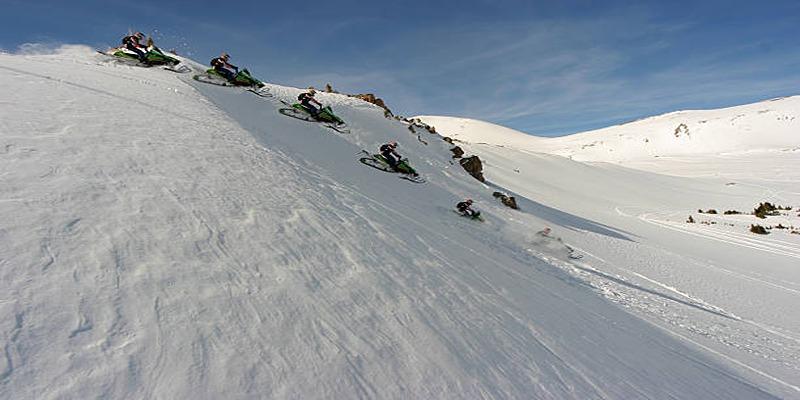
Easy to access within 90 minutes of Denver, Jones Pass is a perfect way to introduce one to the subject of backcountry skiing in Colorado. With its location on the Continental Divide and at 12,451 feet, the terrain is moderate, offering little challenge for developing backcountry skills.
The bowls used in the south have similar snow conditions throughout the season, and various routes can be followed depending on the respondents' abilities. Newcomers may remain on smoother hillsides within the pass, and the more advanced can venture onto the more challenging terrain of the mountains.
The popular Jones Pass is typically a quick approach hike from the parking lot, making it a great day trip. There is average traffic in the area, yet the vast land seldom seems congested. Spring snow skiing here has been deemed historic, and corn snow usually persists well into May.
Loveland Pass
Loveland is situated at the Continental Divide, at an elevation of 11,990 feet, and the area is home to one of the most accessible high-alpine ski runs in Colorado. The pass is available throughout all seasons, ensuring access even during heavy snowfall.
Various levels of ability can achieve different terrain because, in every direction, the roots of the pass are covered with multiple bowls and couloirs. Slopes that face north have been holding powder longer, whereas the south-facing skiing slopes offer perfect spring skiing conditions. Advanced skiers are drawn to deep chutes and technical terrain, while intermediate skiers enjoy the intermediate slopes.
They may have parking restrictions on peak days, and it is better to start early. It is very elevated, hence the weather is likely to change quickly, and every strategy, including planning gear and routes, is critically required. Although busy, with such expansive terrain, it is possible to find new tracks despite the large Arctic flows, even on weekends.
Mount Elbert
Being the highest point in Colorado at an elevation of 14,440 feet, Mount Elbert offers an uncrowded backcountry skiing experience that seamlessly blends mountaineering and skiing. The main trail is the East Ridge, which offers average terrain suitable for intermediate to advanced skiers with good physical strength.
The strategy requires a significant amount of time, typically 6-8 hours round-trip. The reward, however, is to see the Sawatch Range like no one ever has, and to celebrate the achievement of skiing the highest mountain in Colorado. The elevation of the snow can differ sharply, making it necessary to choose routes and time carefully.
This goal will require adequate preparation, including skills with avalanche equipment and emergency provisions. Weather windows are significant because the weather conditions over the treeline can deteriorate rapidly within a short period. Good physical conditioning and solid backcountry skiing skills are essential for success.
Quandary Peak
Standing at 14,265 feet, Quandary Peak near Breckenridge offers one of Colorado's most popular fourteener skiing experiences. The standard route up the East Slopes provides moderate terrain with spectacular summit views.
The trailhead is at a somewhat high altitude, which minimizes the aggregate vertical ascent of other fourteeners. There are different variations of routes that one can follow, making their experience unique due to the conditions and their skill levels. Under favorable snowfall conditions, the large, open slopes provide excellent skiing opportunities.
Quandary Peak is sensitive to timing, as whatever remains at the world summit can be blown away by the wind. The most optimal conditions are usually found in late winter and early spring, when a deeper snowpack covers more rocks and vegetation. This peak is so popular that individuals will have to rise early to secure a parking spot or find fresh snow.
Vail Pass
The area around Vail Pass offers diverse backcountry skiing opportunities ranging from mellow tree skiing to unprotected alpine terrain. Multiple access points along Interstate 70 provide options for different skill levels and snow conditions.
The Shrine Ridge is a place of soft rolling hills that intermediate backcountry skiers will love. The more advanced skiers may cross the steeper mountain of Tenmile Peak or venture into the still more distant parts of the Tenmile Range. Even on powder days and low-visibility days, there are many tree skiing choices.
Zometerman -Vail Pass is in moderate use relative to other roadside areas, in part because it involves longer approaches to the most desirable terrain. With this added work, there is a reduced amount of powder tracked and increased solitude. Unpredictable snow conditions necessitate choosing the route based on the latest precipitation forecasts.
Independence Pass
Independence Pass is both accessible and closed, leading to some of the most breathtaking Colorado high-alpine terrain. The pass offers a variety of skiing opportunities, situated at 12,095 feet in the center of the Sawatch Range.
The region features a combination of moderate slope bowls and steep couloir skiing, suitable for skiers of various skill levels. The north sides have powder snow that lasts deep into the spring, and the south sides have the best corn snow conditions. Its elevation is so great that careful access by road guarantees an extended season.
The roads are restricted by a seasonal weather closure, with the usual and common skiing ending in late spring and early summer, when Highway 82 reopens. This is a time when the snow on the corn can be particularly good, popular among those who enjoy spring skiing. The isolated site and lack of access contribute to the preservation of the wild essence of the territory.
Cameron Pass
Cameron Pass is a slightly different backcountry skiing area located on the border between Wyoming and Colorado to the north. The location isn't lacking in snowfall, and the topography is less steep than that of the central Colorado highlands.
Several sides of the pass feature various skiing zones, including Montgomery Pass and several bowls of the Medicine Bow-Routt National Forests. The slope is intermediate in intensity, and as such, the terrain can be utilized to train backcountry skiers. Skiing in the trees can offer protection on bad weather days, as well as in low visibility conditions.
The region gets much more snow than other Colorado destinations, and the season is often prolonged well into late spring. The depressed altitude allows this area to be obtained when the higher elevations are either fluctuating or weather-avoided. It has locations that are a longer drive to significant population centers, but compensate visitors with a less crowded scene.
Rabbit Ears Pass
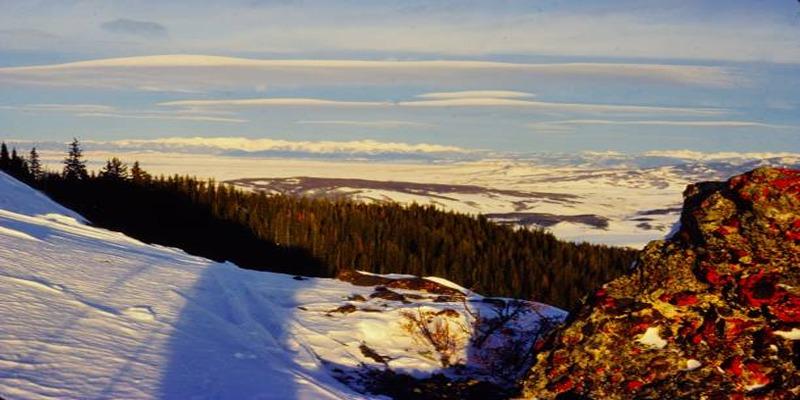
There is great backcountry skiing at Rabbit Ears Pass, located near Steamboat Springs in the Park Range. The location boasts available terrain and predictable snow, offering perfect powder skiing conditions.
Several drainage systems are more differentiated in terms of terrain and various exposures. Intermediate backcountry participants will find moderate to gentle forks that include steeper sections catering to more advanced participants. Large tree skis offer superb visibility in storms and on bad weather days.
Possibly due to the maritime snow climate of the Steamboat region, the area tends to get lighter, fluffier snow than most locations in Colorado. Such snow, combined with decent terrain and accessibility to the trail, has made Rabbit Ears Pass a popular destination among both locals and visiting skiers.
Conclusion
Colorado's backcountry season runs December through May; spring often provides prime conditions. Select routes matching your group's experience, starting with easier passes. Look at a first trip or new trip guide. Lightness of body is important to its success and preservation, owing to elevation and arduous soil; prepare in advance. Get ready, enjoy the Respect of Purpleasmontains, and discover rewarding backcountry discoveries in Colorado.