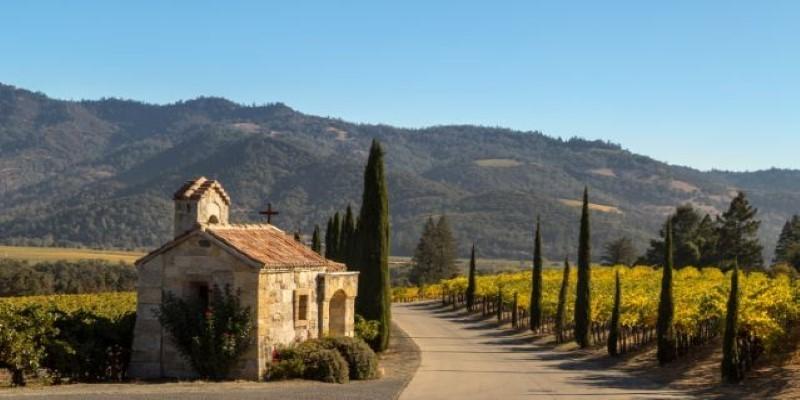
Napa Valley isn’t loud or showy. It’s quiet, measured, and built around a slower pace. What people often remember most aren’t flashy landmarks but winding roads, hillside views, and time spent somewhere unhurried. If you're visiting for the first time, knowing what to expect—and what not to overdo—makes a big difference.
This guide is made for newcomers who want to explore without rushing, with enough time to enjoy the scenery, the food, and the character that makes this part of Northern California feel grounded and calm in all the right ways.
Getting Around and Knowing Where to Stay
Napa Valley runs about 30 miles from top to bottom. It’s not just one town but a group of small communities, each with its own pace and personality—Napa, Yountville, St. Helena, and Calistoga being the most visited.
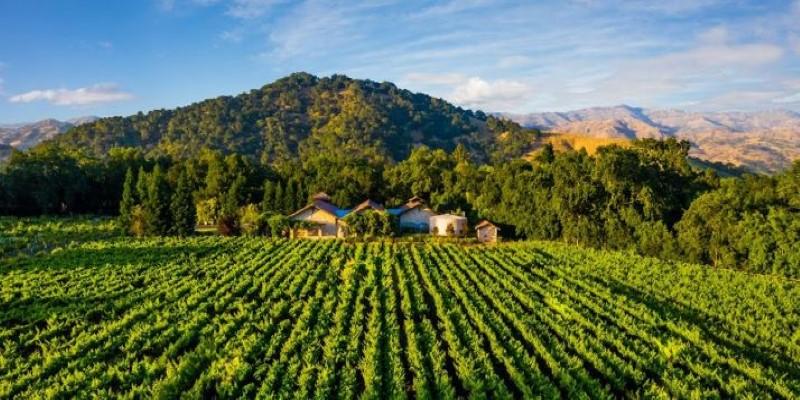
Napa sits at the southern end and has the most development—larger hotels, a walkable downtown, and more places to eat. Yountville is polished, quieter, and well-kept. Farther up, St. Helena offers a good mix of countryside and small-town charm. Calistoga, at the northern tip, feels more rustic and slower-paced, known for its natural springs and casual atmosphere.
Driving is the best way to get around. While you can book tours or ride the valley’s train, having a car gives you flexibility. Highway 29 is the main route and can get crowded, especially on weekends. Silverado Trail is a scenic alternative that’s usually less busy.
For those not driving, local car services or full-day drivers are available and commonly used. They’re especially helpful when you plan on visiting multiple locations in one day or want a more relaxed trip without worrying about directions or traffic.
Tastings, Vineyards, and Reservations
There are hundreds of properties throughout the valley, from quiet family-run spaces to large, well-known estates with panoramic views. Tastings here are more like mini experiences, usually lasting 60 to 90 minutes. They’re often by reservation only, so planning is necessary.
It’s best not to cram too many stops into one day. Two to three visits per day is ideal—it gives you enough time at each stop and room to take breaks in between. Many places offer more than just sips: guided walks, food pairings, and relaxed time on shaded patios are common.
Some estates focus on small production or sustainable farming. Others have historic buildings, hillside terraces, or interesting backstories. It’s worth mixing a few types—maybe one with a scenic overlook, one that’s off the beaten path, and one known for a specific style or approach.
If you’re not interested in formal tastings, some locations allow visitors to relax on their grounds or enjoy a glass without booking a full session. These quieter experiences can be just as rewarding as the more structured ones.
More Than Tastings
There’s plenty to enjoy in Napa even if tastings aren’t the focus. The outdoors plays a huge part in the valley’s charm. You’ll find peaceful hiking trails at Bothe-Napa Valley State Park or Skyline Wilderness Park, where oak trees and scenic ridges offer a change from paved roads.
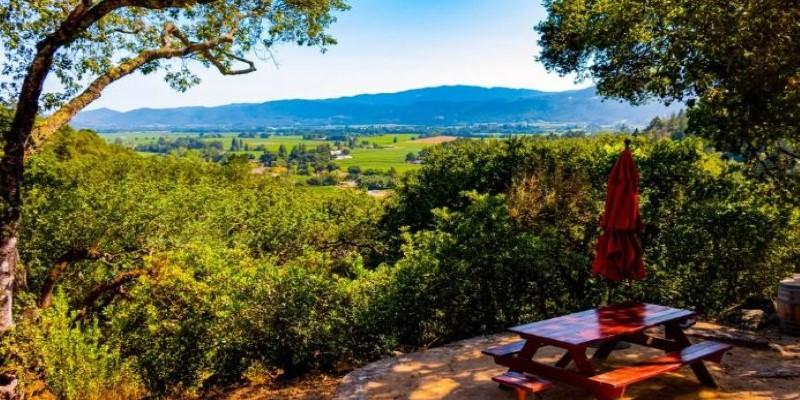
The towns themselves are easy to explore. In St. Helena or Yountville, you’ll find local galleries, independent bookshops, cafés, and stores selling region-made olive oil, honey, and handmade goods. These slower stops give a glimpse of daily life here.
In Calistoga, the natural hot springs are a major draw. Some resorts offer day-use passes, while others include access with a spa treatment. Mud baths and mineral pools reflect the area’s long history as a wellness retreat. If you need a day of rest built into your trip, this is one of the best places to do it.
The food scene is broad and doesn’t require a big budget. Yes, there are upscale options, but you’ll also find bakeries, taco stands, and grocery stores with ready-made meals. Markets like Oakville Grocery or Sunshine Foods in St. Helena are great for building a picnic. Many properties welcome outside food, so long as you check first.
Seasonal events, small outdoor concerts, and farmers markets happen throughout the year. They tend to be community-oriented and relaxed—good places to spend an hour or two without feeling like you're part of a crowd.
Planning Tips and When to Go
The best times to visit are spring and fall. Spring brings flowers and new leaves on the vines, while fall is harvest season with golden light and changing colors. Summer is warm and busy. Winter is slower but peaceful, with fewer people and lower lodging prices.
Midweek trips are more relaxed than weekends, which can get busy quickly. Booking early is smart—tastings, lodging, and dinner reservations can fill up, especially in October and May.
Dress in layers. Mornings can be chilly, afternoons warm, and evenings cool again. If you're headed into the hills or parks, good walking shoes help. Cell coverage isn’t consistent on backroads, so offline maps or written directions come in handy, especially if you're heading to remote spots.
Many travelers make the mistake of packing their schedules. But one of the best things about the valley is how it encourages you to slow down. A walk through a garden, a quiet bench under a tree, or a pause to look out over rows of vines—these often become the most memorable parts of the trip.
Conclusion
Napa Valley invites a slower kind of travel. You don’t need to chase landmarks or checklists. Just give yourself time—time to sit, to look around, to move without a set plan. Whether you're there for tastings, trails, or simply to see what it feels like to have a quiet morning in the countryside, you’ll find plenty of space to breathe. For a first visit, keep your plans simple and your pace easy. The valley takes care of the rest.