The Hamptons are often painted as a playground for summer crowds, but there’s more here than what’s seen from a car window on Montauk Highway. This stretch of Long Island carries a quiet depth — in its towns, its weathered farmland, its beaches that breathe differently once the season shifts. Locals, artists, and generations of families have called it home long before it became a headline spot. The draw isn’t in the scene but in the slower corners — the ones that don’t beg for attention, but still stay with you.
The Towns: Character in Contrast
The Hamptons are made up of different towns, each with its own tone.
East Hampton carries the polish. Tree-lined streets, restored windmills, and well-kept gardens blend with upscale shops and historic homes. It’s quiet in its own way — well-mannered, structured. Just east, Amagansett feels more casual. You’ll still find great food and familiar faces, but there’s less pressure to impress. Musicians, writers, and surfers move through the town with the easy familiarity of longtime locals.
Sag Harbor is distinct. It wasn’t shaped just for summer — it’s a lived-in, year-round town. The old whaling port has kept its charm without forcing it. The marina, bookstore, and small businesses stay open even after Labor Day. You’re more likely to see neighbors talking on street corners here than people taking selfies.
Then there’s Montauk, far at the eastern tip. It's more rugged, more remote, and far less curated. The fishing docks still matter, and the surf culture runs deep. Though new spots have opened, it hasn’t lost its edge. There’s space to breathe, walk, and be left alone.
Beaches, Trails, and the Quiet Outdoors
The Hamptons coastline is long and varied. Main Beach in East Hampton is one of the most well-known stretches — wide, clean, with amenities. It’s beautiful, but crowded in peak season. For more peace, Georgica Beach offers a quieter place to stretch out, and the atmosphere shifts to something more local. Further afield, Napeague State Park opens into a dune-backed beach that rarely sees foot traffic. No crowds, no music — just water and wind.
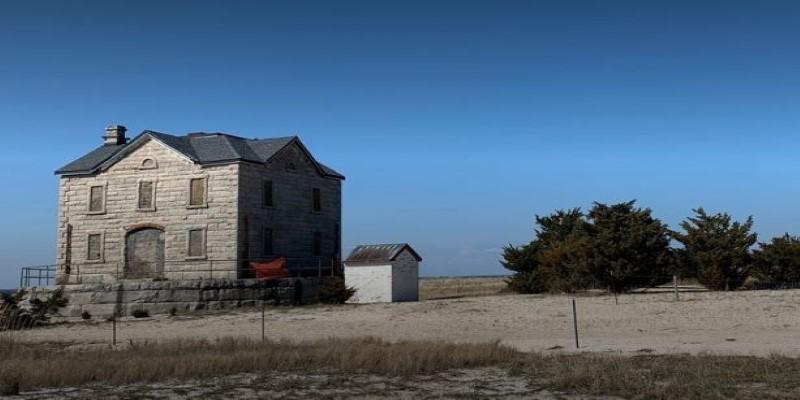
Away from the sand, the terrain holds space for those who prefer woods and wetlands. Cedar Point County Park, with its mix of shoreline and inland trails, is good for a quiet walk or a slow picnic. The air smells of pine and salt.
On Shelter Island, Mashomack Preserve covers a large area of protected land. There are trails along creeks and through oak forests, with signs of deer and osprey instead of people. It’s not flashy, but it feels honest — like how the land might have looked before anything was built.
There’s something calming about the natural spaces here. They aren’t oversized or dramatic. But they give you enough room to think.
Local Food and Where to Find It
While upscale restaurants exist, some of the best food in the Hamptons comes from much simpler places.
Farmstands are still an important part of the landscape. Balsam Farms and Round Swamp Farm offer vegetables grown nearby, baked goods, and prepared items made fresh each day. Tomatoes, corn, and strawberries come straight from the soil and taste like it.
In Sag Harbor, Estia’s Little Kitchen remains a favorite with people who live nearby. The ingredients are seasonal, and the service is relaxed. It’s not about being trendy — just about getting breakfast right.
Out in Montauk, Duryea’s has a dockside setting where you can eat fresh seafood with a view of the bay. The menu is straightforward — local fish, salads, and shellfish, all without fuss. It’s not hidden, but it’s not dressed up either.
In Amagansett, La Fondita serves tacos, rice bowls, and aguas frescas from a small lot on the edge of town. Picnic tables sit under trees, and families gather here after beach days. It’s reliable and easy.
Food here isn’t about novelty. The good places are the ones that’ve been around long enough that people return to them out of habit, not hype.
The Off-Season and Other Rhythms
Most visitors come between Memorial Day and Labor Day, but fall and early spring show a different side of the Hamptons. In late September, the air sharpens and traffic eases. The pumpkin fields open, and the water is still warm enough for a swim if you don’t mind cooler mornings. Locals reclaim their favorite spots, and the overall mood quiets. In October, you can walk the beaches alone. By November, fireplaces are lit in the older homes, and towns like Bridgehampton and East Hampton shift back to a slower pace.
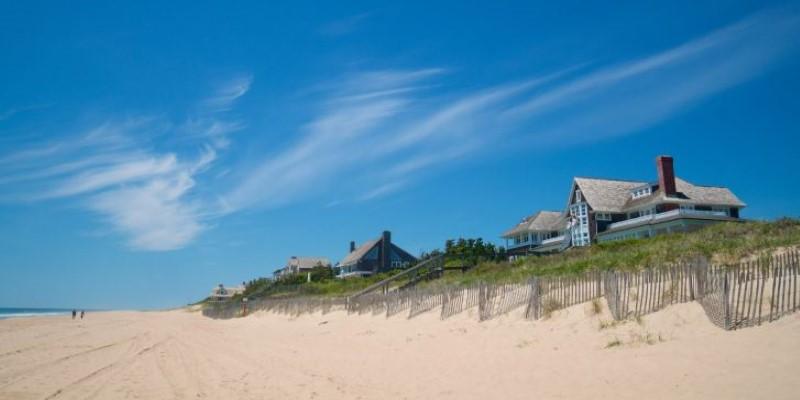
The off-season doesn’t mean closed. It means less layered in expectations. Without the summer crowd, conversations are longer, shopkeepers linger at their doors, and neighbors gather without reservations. Montauk becomes a small town again, and the trails feel wider somehow. If you’ve only seen the Hamptons in summer, it’s worth returning when the leaves turn or the first snowfall hits. You might understand it better.
Many of those who stay year-round are the ones who build, fix, and maintain everything that summer depends on. They run the hardware stores, fish the bay, and teach in the local schools. Their presence keeps the place grounded, even as it leans toward luxury.
Conclusion
The Hamptons often make headlines for their summer crowds and expensive homes, but that’s not where their real value lies. The depth comes from the space in between — in the local shops that stay open past the season, the trails that echo only with your own footsteps, and the conversations shared without a rush. This is a place that gives back what you give it: walk slower, look longer, and you’ll start to see what keeps people returning year after year.