
Childhood experiences strongly influence adult relationships. Attachment patterns develop from how caregivers respond to their child's needs in the early years. These patterns later shape trust, communication, and reactions to intimacy. While some children grow up feeling secure, others experience uncertainty or fear.
Such early encounters form emotional habits that persist into adulthood. Understanding your attachment style helps explain your behavior with partners, friends, or coworkers. It clarifies emotional reactions during closeness or conflict. Recognizing your style is the first step toward change. With awareness, you can replace old patterns and build stronger, more compassionate connections.
Understanding the Basics of Attachment Styles
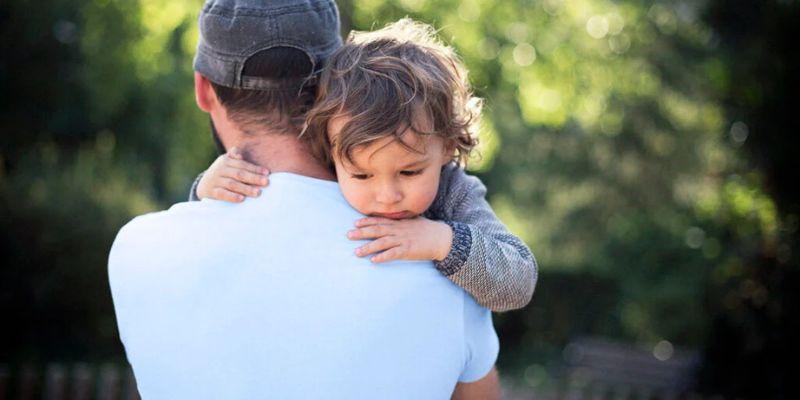
Attachment theory explains how people form and maintain relationships. Psychologist John Bowlby first introduced this concept, suggesting that early caregiving builds a child's internal model of security and trust. The four main attachment styles are secure, anxious, avoidant, and disorganized. Childhood interactions with parents or caregivers shape each of these patterns.
Secure children usually receive consistent care and attention. They grow up feeling confident, supported, and secure as they explore the world. In contrast, inconsistent care may cause anxious children to fear abandonment. Avoidant children often experience emotional distance, which leads them to withdraw from close relationships. Disorganized attachment usually stems from fear or trauma, resulting in confusing emotional responses. Understanding these styles fosters self-awareness and helps explain recurring patterns in adult relationships and emotional connections.
Secure Attachment and Its Positive Influence
Healthy relationships in adulthood often stem from secure attachment. Individuals with this style feel comfortable with closeness and trust others easily. They communicate clearly, resolve conflicts calmly, and maintain confidence in their partners. Such stability usually develops from consistent emotional care during childhood. As adults, they strike a balance between intimacy and independence, free from the fear of rejection or abandonment. Their self-assurance supports lasting partnerships built on respect and understanding.
They value teamwork, listen attentively, and show empathy. In difficult times, their resilience enables them to adapt, resolve misunderstandings, and strengthen their bonds. These individuals often seek stable environments and supportive friends. They approach love with openness and honesty. A secure attachment provides a stable foundation for personal growth and harmony in both family and professional life. In all areas of connection, it nurtures trust and emotional stability.
Anxious Attachment and Its Emotional Challenges
Anxious attachment often creates emotional strain in adult relationships. People with this style crave closeness but constantly fear rejection or abandonment. These feelings lead to a strong need for reassurance and approval. Minor disagreements may feel overwhelming, sparking insecurity even in supportive relationships. Inconsistent care during childhood—sometimes attentive, sometimes neglectful—can cause confusion about love and safety.
As adults, they may cling to partners, overthink interactions, or struggle with independence. Neutral behaviors can sometimes be misinterpreted as rejection, which can heighten distress. Over time, such patterns can exhaust both partners. Yet with self-awareness, therapy, and supportive relationships, anxious individuals can learn healthier ways to cope. Mindfulness and self-reflection help them regulate emotions and build inner confidence. Gradually, they develop emotional balance, stability, and a stronger sense of trust in their connections..
Avoidant Attachment and the Struggle with Intimacy
Avoidant attachment often leads to difficulties with closeness and emotional expression. People with this style place great importance on independence and may hesitate to rely on others. Emotional distance from caregivers in early life can teach them to depend only on themselves. As adults, they may appear confident yet avoid vulnerability and deep connection. During conflict, they tend to suppress emotions, leaving partners feeling neglected or disconnected.
When intimacy feels overwhelming, they withdraw to regain control. Even in challenging situations, they prioritize self-reliance and emotional restraint. Trust can be difficult, as they fear losing autonomy. However, growth is possible with awareness and patience. Through open communication, vulnerability, and the support of understanding partners, individuals with avoidant tendencies can form stronger, more secure bonds. Healing comes from learning to share emotions freely and embracing the safety that genuine connection provides.
Disorganized Attachment and Its Mixed Signals
Anxiety and avoidance behaviors are combined in disorganized attachment. People with this style often exhibit conflicting behaviors. While they may crave intimacy, they also fear it. This pattern is frequently shaped by childhood trauma or uneven care. It's possible that caregivers caused both anxiety and comfort. Such encounters lead to misunderstandings regarding intimacy and trust.
They might drive others away before making them crave them once more. These cycles frequently give relationships a sense of instability. Fear of intimacy coexists with fear of rejection. Their erratic behavior can leave partners feeling perplexed or overpowered. Resolving past trauma is necessary for healing. Tools for reducing fear and fostering safety can be obtained through therapy. People can work toward stability over time. They can consistently learn more wholesome ways to connect and build trust.
Moving Toward Healthier Attachment in Adulthood
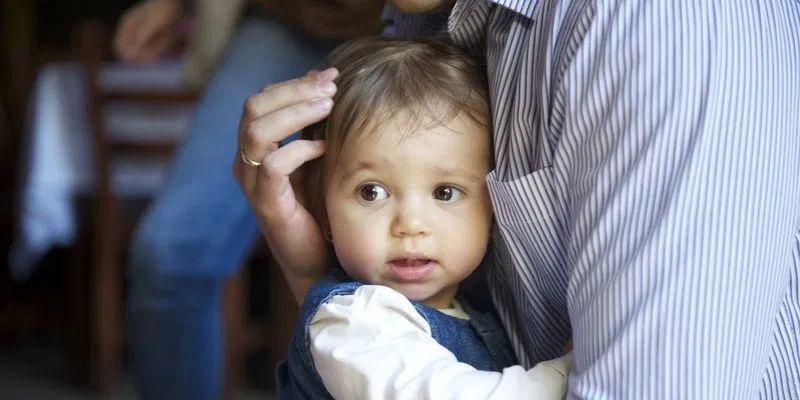
Attachment styles are not permanent. With awareness and effort, people can grow and evolve. The first step is recognizing personal patterns and emotional triggers. Through commitment and recovery, anyone can move toward a more secure attachment. Therapy often guides the development of healthier responses and improves communication. Mindfulness helps people stay present and manage anxiety, while journaling and reflection reveal recurring habits.
Practicing self-compassion is key to ending destructive cycles. Supportive friends and partners also encourage emotional growth. Over time, individuals learn to maintain a balance in life and to embrace vulnerability without fear. As emotional habits shift, relationships become stronger and more fulfilling. Nurturing healthy bonds enhances overall well-being—deepening friendships, strengthening professional ties, and enriching romantic relationships. Personal growth is a continuous journey that leads to resilience, safety, and a deeper emotional connection.
Conclusion
Attachment styles strongly influence how adults connect, trust, and love. Childhood patterns often shape emotions and intimacy in later life. While anxious or avoidant styles can create challenges, secure attachment promotes stability and balance. Disorganized attachment blends both, leading to unpredictability in relationships. Yet awareness makes healing possible. Through therapy, reflection, and supportive relationships, individuals can foster positive change. Understanding personal patterns helps break old cycles and rebuild trust. Stronger attachment leads to harmony across all areas of life—romantic, social, and professional. By committing to growth and self-awareness, anyone can cultivate lasting, healthy connections founded on security and mutual respect.