Naples doesn’t try to impress. It simply is what it is—raw, expressive, and entirely itself. If you're traveling solo, this is a city that won’t treat you like a tourist. Instead, you’re just another person passing through its layered streets, moving between ancient ruins and shouting street vendors.
It’s not about picture-perfect charm here, it’s about rhythm, energy, and real life. Naples rewards attention, not agendas. If you're considering a solo trip, the following provides a clear overview of what you can expect and how to make the most of it.
What It's Like to Travel Solo in Naples?
Solo travel in Naples is an experience built on presence more than planning. The city can be loud, crowded, and abrupt. At the same time, it has its own rhythm, one that becomes familiar once you’ve walked enough of its uneven streets.
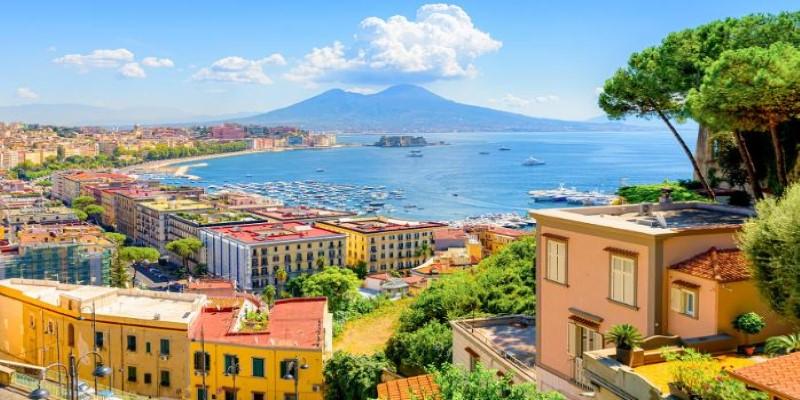
Naples doesn't revolve around tourists. That can feel jarring at first, but freeing once you settle in. Nobody questions why you're alone. You'll see others walking solo, reading at a café, or eating standing up on a busy corner. The city doesn't pressure you to be social, but it's not cold either. You can engage or not—it’s up to you.
The historic center is compact, with old churches, food stalls, and narrow alleys. You’ll find yourself ducking into tiny shops or pausing to admire faded frescoes without needing a group or guide. Outside that core, neighborhoods like the Spanish Quarter or Materdei offer more local energy and fewer crowds.
Naples does get a bad reputation for safety, but in reality, it's no more dangerous than any large city. You’ll want to stay alert in busy areas, especially around the central train station and major squares. Keep your bag zipped, skip flashy jewelry, and trust your instincts. People around you are living their normal lives, not looking to bother you.
Where to Stay and How to Get Around?
Choosing where to stay matters when traveling alone. The Centro Storico provides easy access to major sights and food options, although it can be noisy. Vomero, perched on a hill, feels calmer and more residential, with clean streets, local cafés, and sweeping views. Chiaia is stylish and close to the sea, although it's less centrally located.
Public transportation connects most parts of the city. The metro is the most reliable, especially Line 1, which runs through key neighborhoods and includes the striking Toledo station. The funiculars are a good way to reach hilly areas without the need for a climb.
For day trips, the Circumvesuviana train from Napoli Garibaldi station runs to Pompeii, Herculaneum, and Sorrento. Trains are often crowded and not always clean, but they’re direct and inexpensive. Keep an eye on your belongings and aim for early morning departures to avoid crowds.
If you'd rather skip public transportation at night, taxis are an option, although their quality varies. Apps like Free Now let you call a licensed driver and track pricing in real-time. Walking is generally fine in the early evening, especially in areas with shops and restaurants open.
Things to Do Alone in Naples
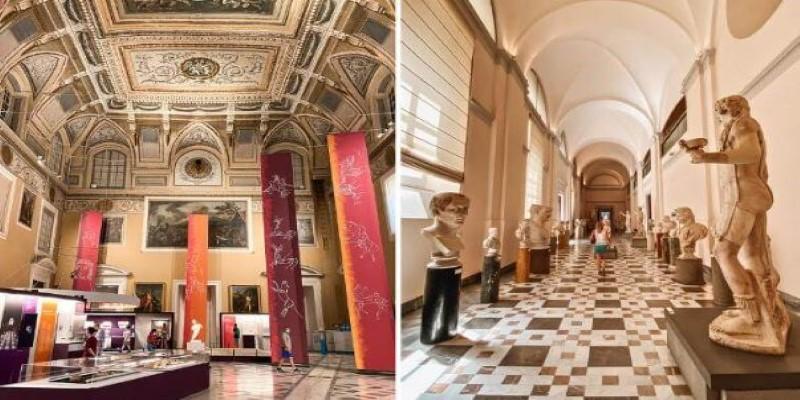
Naples is generous to solo travelers. You won’t feel out of place doing anything by yourself. Museums like the Museo Archeologico Nazionale hold ancient treasures that can be appreciated at your own pace. At Capodimonte, the collection is set in a former palace overlooking the city, and you can easily spend a few quiet hours wandering its halls.
The underground tours—like Napoli Sotterranea or the tunnels under San Lorenzo—are worth joining with a small group. They’re guided, but the groups are casual, and there’s no pressure to mingle. Most people are just there to learn.
Naples is renowned for its food, and dining alone is a common practice. You can grab a folded pizza from a window or sit down at a no-frills trattoria for pasta alla genovese or fresh seafood. There’s no awkwardness in dining solo. Bring a book, take your time, and no one will mind.
Walking along the Lungomare is a great way to unwind at the end of the day. The views stretch across the bay to Mount Vesuvius. Locals stroll, chat, and enjoy the sea breeze. It's a calming change from the more frenetic pace of the center.
If you're interested in short trips, solo travelers can head to Pompeii, Procida, or Ischia with little hassle. Ferries depart from the port, and trains to the ruins are available regularly. These trips are straightforward and don't require much planning—ideal if you want a change of scene without a tight schedule.
How to Feel Comfortable and Confident?
Naples isn’t polished, and that’s part of its draw. It teaches you to stop expecting order and start noticing detail—an old woman hanging laundry three stories up, a group of teens sharing one scooter, the smell of bread from a side street.
Confidence comes from adjusting your expectations. Don’t expect strict timetables or clean sidewalks. Expect life in motion—sometimes loud, sometimes messy, often beautiful. If you’re flexible, you’ll settle into it naturally.
A few practical habits help. Carry cash in small bills. Many places don’t take cards, especially for small purchases. Learn simple Italian greetings. Locals appreciate the effort, even if your accent is off. Download offline maps before you go out for the day, in case of weak signals.
Dress in a way that’s neutral and comfortable. Neapolitans have style but aren’t flashy. A decent pair of shoes is non-negotiable—the streets can be rough.
You might be surprised by how often someone offers help or starts a short conversation. It's not intrusive. Just a human connection. At the same time, you'll have space to be quiet, to look, to reflect.
Final Thoughts
Naples isn’t a city that tries to please you. It asks you to meet it where it is—sometimes loud, sometimes slow, never artificial. That makes it one of the best places to travel alone if you're looking for something that feels honest. There's no need to perform or keep up. You can wander, eat, pause, or just sit by the sea. Naples leaves room for solo travelers to just exist—and in that space, you’ll find real moments that stay with you long after you’ve gone.