Most people can’t point to the Faroe Islands on a map, and that’s part of the appeal. This remote cluster of islands in the North Atlantic isn’t designed for mass tourism. There are no giant resorts or flashing signs—just steep cliffs, narrow roads, and a raw, open landscape that looks like it belongs in a storybook.
The air is sharp, the silence is real, and the pace of life is unhurried. It's not a place you visit by accident. It’s for travelers who like being far from noise, somewhere that still feels honest, weathered, and quietly unforgettable in all the right ways.
Landscapes that Feel Almost Fictional
There’s no need to dress up the Faroe Islands with flowery descriptions. The land speaks for itself. Everywhere you go, it’s cliffs, fog, open ocean, and sheep—more sheep than people, in fact. The scenery looks untouched, not because it's been made into a postcard, but because it never needed one. Nature is the lead character here, and it doesn't share the spotlight.
Driving from one village to another means winding through narrow roads carved into hillsides, with the sea on one side and mist-covered mountains on the other. Some of these roads go through one-lane tunnels that cut straight through rock. Others just hug the coast. You don’t pass many cars.
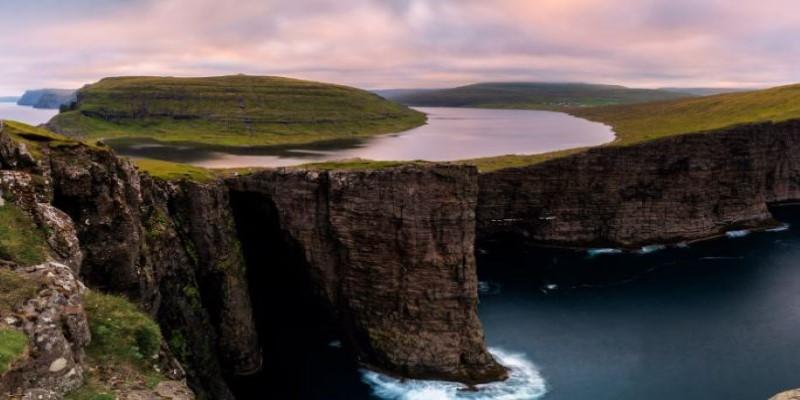
Some of the most famous views include Múlafossur waterfall in Gásadalur, a village that was nearly cut off from the rest of the islands until a tunnel opened in 2004. The waterfall drops straight from the cliffs into the sea. Then there's Lake Sørvágsvatn, which from certain angles seems to float above the ocean—an optical illusion made by the sloping cliffs.
Hiking is one of the best ways to get a feel for the terrain. The trails can be steep, muddy, or windy, and most lead to wide views or rocky outcrops where puffins nest. If you're used to hikes with signs and fences, you'll notice that things here are simpler. Land is often privately owned, so walking paths may require small fees. But the reward—open landscapes that stretch without interruption—is more than worth it.
Villages, People, and the Quiet Rhythm of Life
The Faroe Islands are not busy. Even the capital, Tórshavn, feels more like a small town than a city. It’s where you’ll find the closest thing to a crowd, with cafes, shops, a harbor, and some modest traffic. There's no rush. Conversations are unhurried, and service often comes with a smile that feels unforced.
Outside the capital, the villages are small and spaced far apart. Most of them sit near the coast, and many have just a few dozen residents. You'll notice turf roofs—traditional grass-covered rooftops that blend into the land. They're not a tourist gimmick. They're just how houses are built here, especially older ones.
What makes the Faroe Islands feel different is the lack of noise. There's no hum of highways, no city lights washing out the stars. The silence isn’t empty—it’s full of wind, waves, the occasional sheep bleating from a hillside. People live with the weather here. Storms aren’t unusual, and neither is a day that gives you both sunshine and rain, often within the hour.
The local culture leans toward the practical. Islanders rely on each other, and even as the place becomes more popular with travelers, it hasn’t tried to turn itself into a spectacle. You won’t find souvenir shops lining every street. Instead, you'll find wool sweaters, knitted by hand, and fresh fish prepared in family-run kitchens.
If you talk to people, you’ll find that almost everyone speaks English. But they also speak Faroese, a language that evolved from Old Norse and is still alive in everyday life. The preservation of culture here isn’t about performance. It’s about habit and heritage, passed down without fuss.
Weather, Getting Around, and What to Expect
The Faroe Islands can be unpredictable. That’s part of their appeal. You might wake up to low-hanging fog and go to bed under clear skies. Rain shows up often but rarely stays all day. Instead of planning around the weather, most people dress for it and go anyway. Windbreakers and waterproof boots go a long way.
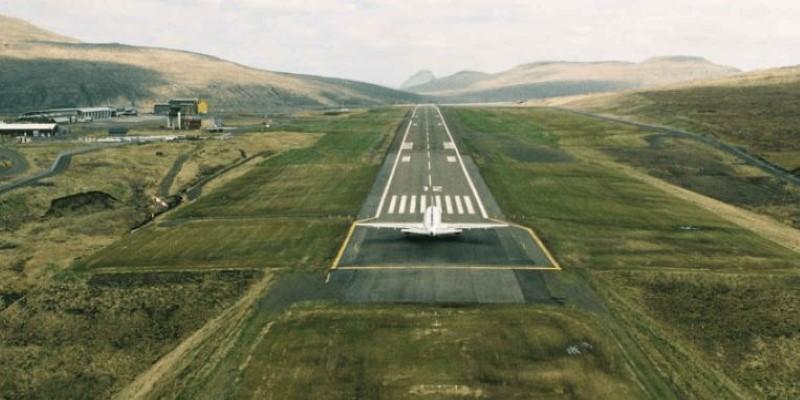
Flights from mainland Europe land at Vágar Airport, on the island of the same name. From there, the main roads connect most inhabited areas through bridges, undersea tunnels, and ferries. Renting a car is the easiest way to get around, especially if you want to explore outside of Tórshavn. Buses do exist, but schedules may be limited in smaller towns.
Getting to some islands still requires ferries or even helicopters. These are subsidized by the government, and you can sometimes catch a helicopter ride for less than the cost of a movie ticket in other countries. But planning helps—some routes are limited and fill up fast.
Accommodations range from guesthouses to apartments to newer hotels. Most are small and family-run. Booking ahead is smart, especially during the warmer months between May and September. These months have the mildest weather and longest daylight, but the islands never feel crowded, even in summer.
Eating out is relatively simple. You won’t find fast food chains here. Instead, local dishes often include lamb, root vegetables, and seafood. Traditional food is based on what the sea and land give—cod, haddock, and fermented dishes that might surprise you. But more restaurants are offering seasonal, local ingredients in fresh ways that make the most of what’s available.
Conclusion
The Faroe Islands offer something few places can—raw beauty, quiet roads, and a slower rhythm that stays with you long after you’ve left. It’s not a place for rushing or ticking boxes. It’s where you go to breathe, to listen, and to look around without distraction. Whether you're hiking sea cliffs or sitting by a harbor, the sense of calm is real. If you want a break from noise and clutter, this remote place gives you exactly that.