Buying a home sounds like the ultimate win, right? Freedom. Pride. A place that’s yours. We all grow up seeing it as the big milestone—proof you’ve “made it.” But here’s the truth most people don’t talk about: owning a home comes with a lot more than a mortgage payment.
There’s a hidden world of costs waiting once you get those keys. And if you’re not ready for them, they can hit hard. We’re not here to kill the dream. We’re here to help you see the full picture so you can make smarter choices, protect your wallet, and actually enjoy your home—without nasty surprises.
Beyond The Down Payment: What You Don’t See Coming
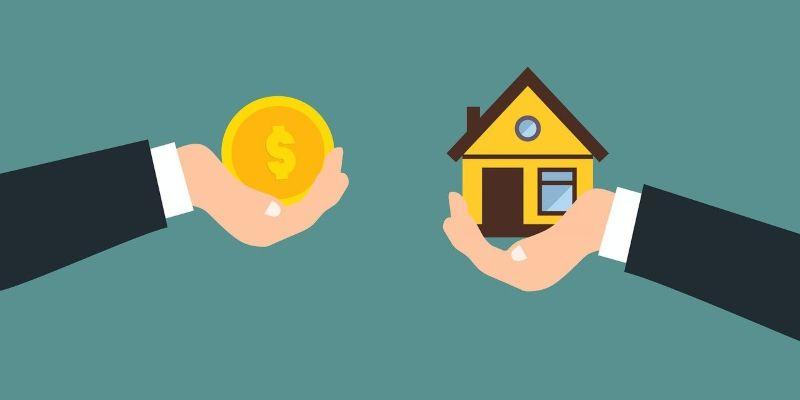
Everyone talks about the down payment. It’s the big headline number you obsess over while scrolling through listings. But once your offer gets accepted, reality checks in fast. The real spending spree starts before you even move in.
You’ve got closing costs—usually 2–5% of your loan amount. That’s lender fees, title insurance, appraisal costs, and more random paperwork charges than you can imagine. Then comes the inspection. A few hundred bucks upfront, sure, but that’s how you avoid buying a ticking time bomb.
Don’t forget moving costs. Whether you rent a truck or hire pros, that bill stacks up quickly—especially if you’re crossing state lines. And you’ll need homeowners' insurance before you close. Add it all up, and your “affordable” dream home suddenly looks a bit pricier. The key here? Plan for the extra 5–10% cushion on top of your down payment. It’s the difference between being prepared and being blindsided.
The Monthly Bill That Never Shrinks
You finally close. You move in. You breathe. Then that first mortgage statement lands—and it’s just the start. Most people think, “Okay, this is my payment. I’m good.” But that number doesn’t stay still.
Property taxes creep up every year. Homeowners insurance? That goes up too—especially if your area’s hit by storms or wildfires. And if your down payment was under 20%, you’re probably paying mortgage insurance on top of that.
So that “fixed” monthly bill isn’t really fixed. It grows quietly in the background while you’re busy living your life. You need to budget for it the same way you plan for groceries or gas.
That means always leaving room for the unexpected. Because when the city reassesses your property or your insurer hikes your premium, you don’t want it to mess with your entire budget.
Owning a home means you’re the boss—but it also means you’re the one paying every bill that shows up at your door.
The Silent Budget Killers: Maintenance And Repairs
Here’s the thing no one really tells you: houses age like everything else. And they need constant attention. The little stuff sneaks up first. A leaky faucet. A dead outlet. A weird sound in the furnace. You fix one thing, and two more pop up.
Then come the big-ticket moments. Roof leaks. HVAC breakdowns. Plumbing nightmares. You can easily drop a few grand on a single repair. And it never happens at a “good” time.
The general rule? Expect to spend 1–2% of your home’s value every year on maintenance and repairs. If your place costs $400,000, that’s $4,000–$8,000 annually. You might not use all of it in one year, but when things break—and they will—you’ll be glad that money’s sitting there.
This is where most homeowners trip up. They plan for the mortgage but not the maintenance. It’s not glamorous, but it’s what keeps your home livable and your savings intact. Owning a home is like owning a car—ignore the small stuff, and it turns into big, expensive problems fast.
When Dreams Meet Reality: The Cost Of Comfort And Upgrades
So you’ve settled in. But now the walls look plain. The kitchen feels dated. You start scrolling Pinterest. Suddenly, you’re pricing quartz countertops and smart thermostats. Welcome to the “home improvement” rabbit hole.
Upgrades are fun, but they’re sneaky. A few hundred dollars here, a weekend project there—it adds up. Before you know it, you’ve spent thousands chasing that perfect “home vibe.”
And it’s not just renovations. You’ll buy curtains, rugs, furniture, décor—because an empty house doesn’t feel like home. That’s where lifestyle creep sets in. You start spending to make your space look a certain way instead of focusing on what you really need.
Our advice? Pace yourself. Make a list. Prioritize comfort over trends. Paint before you remodel. Live in the space first so you know what actually needs changing. Remember: your home should fit you, not your Instagram feed.
The Hidden Price Of Location And Lifestyle
Where you buy matters as much as what you buy. A home in a nice neighborhood often comes with higher property taxes and insurance premiums. That’s the tradeoff for better schools, lower crime rates, and prettier streets.
But that’s not the only thing that costs more. Commuting expenses can jump depending on where you live. Gas, tolls, and wear on your car stack up. If you move farther from work for cheaper real estate, that daily drive might wipe out the savings.
Local services—trash, utilities, internet—can also vary wildly from city to city. Some areas charge premium rates for basic stuff. Even things like HOA fees can catch you off guard.
The takeaway? Don’t just fall in love with the house. Study the zip code. Add up the “life costs” that come with it. A cheaper home in a costly area can end up being more expensive in the long run.
When It’s All Worth It
Let’s be real: despite all these costs, owning a home still feels amazing. It’s stability. It’s a place to grow. It’s your space to build memories. But it only feels that good when you’ve gone in with your eyes open.
The real win isn’t buying a home—it’s keeping it without stress. That means budgeting for the big picture, not just the purchase price. It means planning for the long haul, not just the honeymoon phase.
So before you jump in, take a breath. Run the numbers. Save more than you think you’ll need. And when you finally move in, enjoy it knowing you’re ready for whatever comes next. Because that’s the real dream: not just owning a home, but owning it with peace of mind.