Some trips aren't about ticking boxes—they're about shifting gears. Leaving Barcelona for Mallorca isn't just a change of location; it's a change in pace, tone, and air. You go from a city where art and life blend into every corner to an island where time stretches and the sea feels closer to everything.
There's no rush in this kind of escape. It's not a checklist trip. It's the kind you feel in your shoulders, your steps, and how long you linger over lunch. The coast doesn't shout for attention; it just waits, calm and unbothered, ready when you are.
Barcelona: The Starting Point
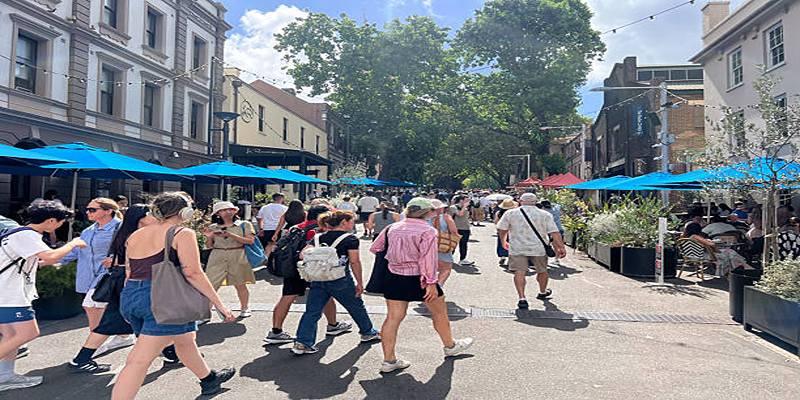
Barcelona works as more than just a departure city. It feels like a preface to the trip. Everything here has its own mood. The beaches in Barceloneta are backed by old fishermen’s quarters, now lined with boardwalks, seafood eateries, and slow sunsets. Unlike the island calm of Mallorca, the beaches here hum with city energy—swimmers, cyclists, families, and long-lunching locals.
You’re never far from something to look at. The Gothic Quarter folds in on itself with alleyways and plazas, while Gaudí’s unfinished Sagrada Família looks like something halfway between a cathedral and a dream. The contrast of sea and skyline gives the city an unusual pace. It’s not quite fast, but it’s never lazy either.
Getting to Mallorca from here is part of the experience. You can fly, but many choose the ferry. It’s slower, but you feel the separation. As the mainland fades and the Balearic horizon comes into view, it sets the tone for what’s ahead.
Arrival in Mallorca: First Impressions
Mallorca doesn’t need to convince you of anything. The views do the talking as soon as you arrive. Whether you land in Palma by ferry or plane, the change in pace is instant. This is an island that knows how to be quiet when it needs to be, but still has places that draw a crowd.
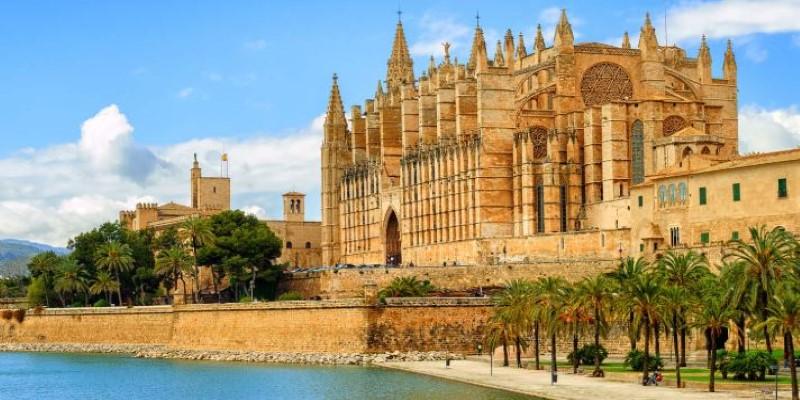
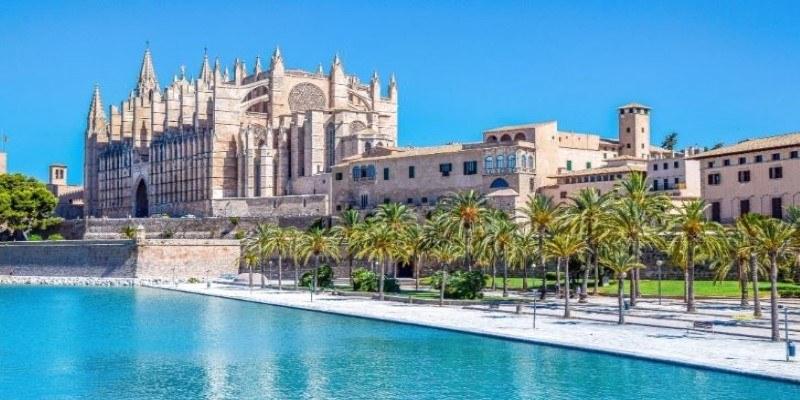
Palma, the capital, has just enough movement to keep things interesting. Its cathedral, La Seu, towers over the harbor like a sentinel. You can walk the narrow streets of the old town and stumble on hidden courtyards, tiny bakeries, or galleries in converted homes. But the best part of Palma is how quickly you can leave it behind. Within half an hour, you can be in a fishing village, a mountain hamlet, or on a quiet beach with nobody in sight.
The shift from urban Barcelona to relaxed Mallorca is noticeable in the air, the pace, and even the way people talk. Everything here stretches out—meals, days, conversations. It's the kind of place that makes you stop checking the time.
Exploring the Island: Coastlines, Mountains, and Small Towns
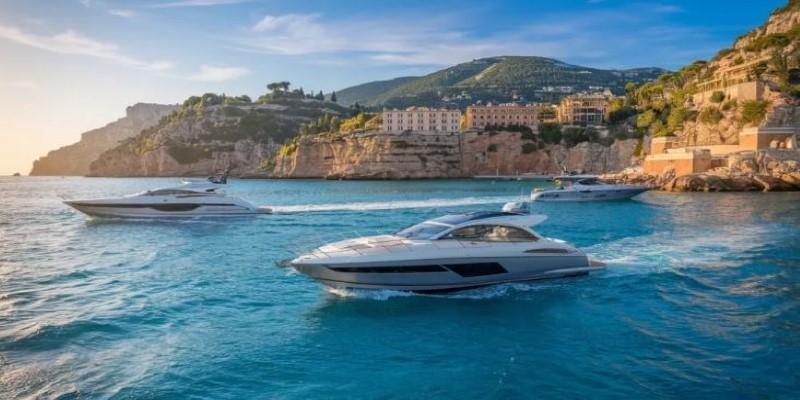
Mallorca is large enough to explore but small enough that no part of it feels far away. The beaches are the obvious draw, but not all are easy to reach. That’s part of the charm. Cala Deià, for example, sits at the bottom of a steep road below the village of Deià. It’s a small cove with turquoise water and just a couple of places to eat, but it stays with you. The Serra de Tramuntana mountains stretch along the island’s northwest, and the roads twist and rise with views that make you want to stop every five minutes. Towns like Valldemossa and Sóller nestle in the hills, with stone houses, olive groves, and cafes that feel like they’ve been there for decades.
In the east and south, the coastline flattens out. Here, you’ll find long beaches like Es Trenc, where the water is shallow and clear. Other beaches are more hidden—some require a hike, others a small boat. But they all have the same quiet draw.
One of Mallorca’s strengths is how it handles tourism without giving up its identity. Even in the more visited towns, there’s a strong sense of place. Markets are still local. Families still run the small restaurants. And even at peak season, if you drive for twenty minutes inland, you'll find fields, old windmills, and silence.
A Journey Defined by Contrast
Traveling from Barcelona to Mallorca isn't just about distance; it's about contrast. Barcelona offers color, angles, and energy. Its beaches are urban, active, and always near something loud or surprising. Mallorca is the opposite—it’s horizontal rather than vertical. The mountains are behind you when you look at the sea, and the sound is more likely to be wind through trees or waves on rock than car horns or footsteps.
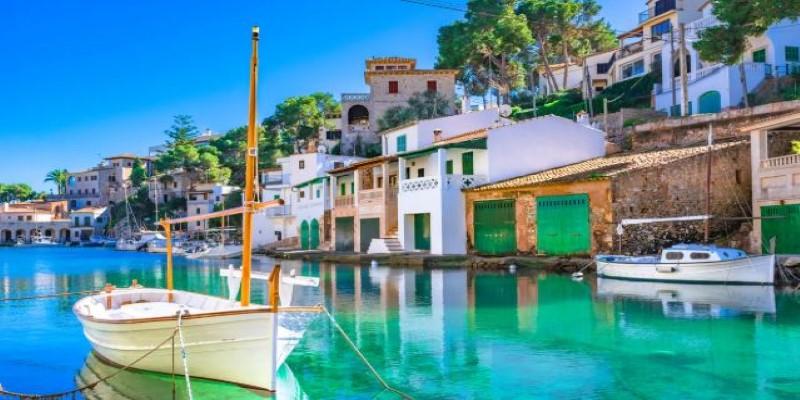
The two places don’t compete; they complement each other. Together, they give a fuller picture of what Spain’s Mediterranean coast can be. One rooted in culture and expression, the other in calm and space. It’s not a question of which is better, but which speaks louder to you at that moment.
Both places offer ways to slow down, though they do it differently. In Barcelona, it’s people-watching on a city bench or taking the long way through a park. In Mallorca, it’s sitting by the sea with no real plan. That’s what makes this trip feel more like an escape than just a vacation. It’s not packed with activities, but filled with space.
Conclusion
This route from Barcelona to Mallorca doesn’t follow a single theme. That’s what makes it feel honest. You start in a city that thrives on expression and movement, then find yourself on an island that invites stillness without being dull. Each place holds its own version of the seaside, with flavors, textures, and rhythms that don’t mirror each other. The change between them is what gives the trip its shape. You leave with a sense that you’ve seen not just different landscapes, but different ways of living beside the sea. And the best part is, neither place asks you to do anything but notice.