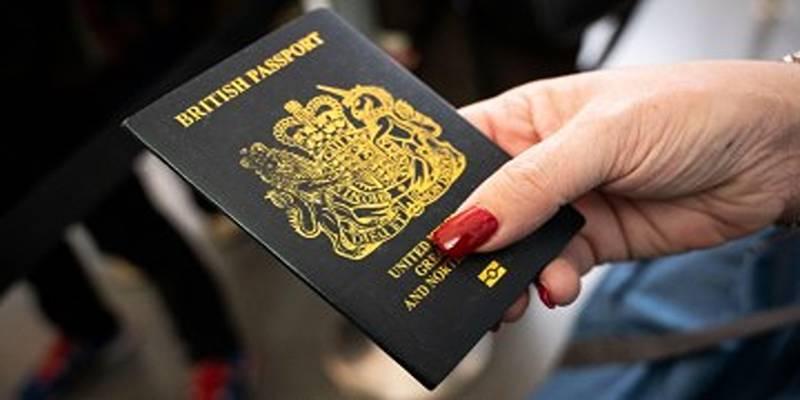
Southeast Asia has become a popular choice for British travelers looking for tropical escapes, budget-friendly trips, or long-term digital getaways. Whether the plan is to explore rice terraces in Bali, shop at night markets in Thailand, or work remotely from Vietnam, there’s one thing every British passport holder needs to figure out first: visa requirements.
Some countries in the region welcome short visits without much red tape. Others have strict rules, electronic permits, or visa-on-arrival systems that come with catches. Getting this part wrong can lead to extra fees or being denied boarding at the airport. So if you're holding a British passport and planning a trip to Southeast Asia anytime soon, it's worth knowing what each country expects before you go.
Thailand
Thailand remains one of the easiest destinations for British travelers. You can visit without a visa for up to 30 days if you arrive by air, and 15 days if you cross by land. This applies whether you're entering from Malaysia or Laos. Extensions can be requested from immigration offices for another 30 days, but they come at a cost.
Overstaying, even by a day, can get you fined. More than that, and you risk bans or being flagged on future entries. If you plan to stay longer than 60 days total, consider applying for a tourist visa before departure.
Vietnam
Vietnam used to require a visa for nearly all British citizens, but recent updates have simplified things. As of 2025, UK travelers can enter Vietnam without a visa for up to 45 days. The countdown starts the day you arrive, and it’s a one-time allowance. If you exit and want to return during the same trip, an e-visa is the safest bet.
E-visas are available online, typically for 90 days with single or multiple entries. The process is done through Vietnam's official immigration portal, and the fee is usually modest. Processing takes about three working days, though delays are common around major holidays.
Indonesia
Indonesia follows a visa-on-arrival policy for British citizens. You can land at most airports or seaports and buy the visa directly, which gives you 30 days in the country. The cost is fixed and payable in cash or card. Some airports are more equipped than others, so it's wise to have both payment options ready.
That 30-day window can be extended once for another 30 days. However, this must be arranged before the original expiry and through an immigration office. Planning to stay longer? You’ll need a visa before arriving, such as the B211A visa, which suits longer holidays or remote work setups.
Malaysia
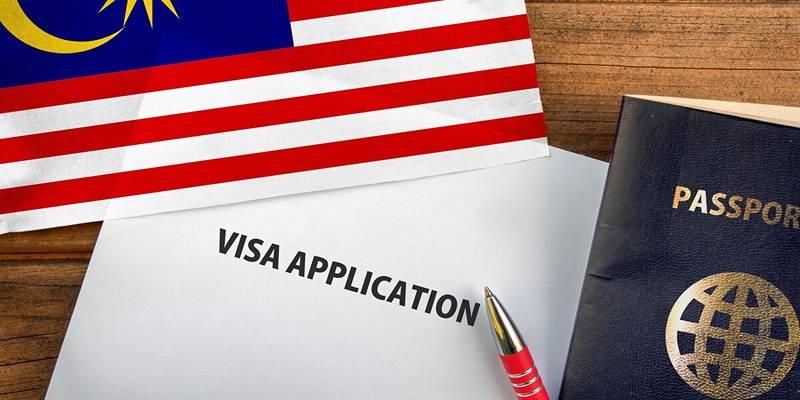
Malaysia is perhaps one of the most straightforward countries in the region when it comes to entry rules. British citizens can visit without a visa for up to 90 days. This generous allowance makes it ideal for slow travelers, retirees, or remote workers who don’t want to deal with extensions or embassy visits.
The passport must be valid for at least six months from the date of entry. Officers may ask about return flights or proof of accommodation, especially if you arrive with no concrete plans. Overstaying is taken seriously and comes with penalties.
Singapore
Singapore does not require a visa for British travelers planning to stay up to 90 days. This rule applies to both tourism and short business visits. While the entry process is smooth, Singapore is strict when it comes to paperwork. You’ll need to complete the SG Arrival Card online at least three days before arriving.
Border control might ask for evidence of funds or a confirmed return ticket. Singapore keeps things digital, and manual extensions or on-the-spot visa conversions are generally not allowed.
Philippines
UK passport holders can enter the Philippines without a visa for 30 days. This condition applies as long as you have a return or onward ticket. If you wish to stay longer, a tourist visa can be extended for up to 36 months by visiting the Bureau of Immigration.
Extensions are simple, though they come with fees that increase the longer you stay. The Philippine government has also introduced an online eTravel registration that must be completed before arrival. Failing to do so could slow you down at the airport.
Cambodia
British nationals need a visa to enter Cambodia, but the process is quite relaxed. You can either apply for an e-visa online or get one upon arrival. The visa grants 30 days of stay, which can be extended once.
If you’re traveling overland from Thailand, Laos, or Vietnam, make sure the border crossing supports visa-on-arrival services. Not all land posts do, and getting stuck in no-man’s land without the proper documents is no fun.
Laos
Laos follows a similar model to Cambodia. You can get a visa on arrival at major airports and most land borders, or apply online for an e-visa. British travelers are granted a 30-day stay.
If you plan to stay longer, you’ll need to extend it through the local immigration department. This isn’t as efficient as other countries, and processing can take a few days. Plan accordingly if you're traveling through Laos slowly.
Myanmar
British citizens are not eligible for visa-free travel to Myanmar. As of 2025, an e-visa is the most common route for tourists, allowing a stay of up to 28 days. The application must be completed online, and approval often takes a few days.
Due to changing policies and occasional security restrictions, it’s a good idea to check the UK government travel page for Myanmar before making firm plans.
Brunei
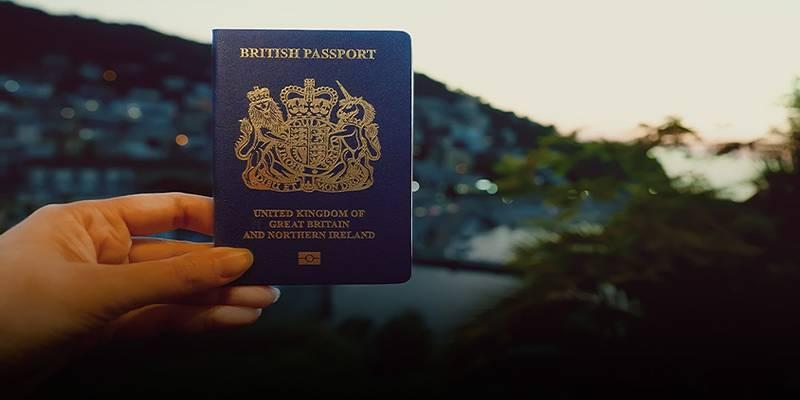
Brunei allows British passport holders to enter without a visa for up to 90 days. Few travelers spend long periods here, but it’s a peaceful stop on the way between Malaysia and Indonesia. Immigration officers may ask about your purpose of stay or onward plans, especially if you're carrying a lot of luggage for a short visit.
There’s no formal extension option for this visa-free stay. If you're planning to leave and return within a few weeks, you may need to re-enter via another country.
Conclusion
Southeast Asia is welcoming, but every country has its own way of managing visitors. For British passport holders, the region is largely accessible with minimal paperwork, especially for short trips. Still, what works in Thailand might not work in Vietnam, and assuming one visa fits all will backfire. Understanding each country’s expectations makes travel smoother and more enjoyable. Planning, being honest with your intentions, and keeping documents ready will help you cross every border with confidence and ease.