Dubrovnik often comes up in travel conversations, but it’s usually tied to stories from the past or famous movies. While those things exist, they’re not the reason many people keep returning. This coastal city in southern Croatia thrives on something much more grounded.
It’s clean, compact, walkable, and wrapped in some of the most beautiful sea views you’ll find without trying too hard. There’s no need to research deeply before arriving. Just bring shoes you can walk in, and you’ll figure the rest out as you go.
Getting There And Getting Around
If you're flying in, Dubrovnik Airport is about 30 minutes from the city. Once you land, you’ve got a few choices. Taxis are quick, but they’ll cost more than the shuttle buses. The airport shuttle is reliable, cheaper, and drops you off right outside the Old Town, which is where most people want to be. If you're staying further out—maybe Lapad or Babin Kuk—local buses will get you there easily.
Inside the city, there’s no need for cars. The Old Town is pedestrian-only, and frankly, it’s better that way. The cobbled streets are narrow, the steps are many, and you'll get more out of it on foot. Wear shoes that can handle hills and don’t expect much shade. The streets reflect a lot of heat, especially in the afternoon, so walking early or later in the day is your best bet.
When To Visit Dubrovnik?
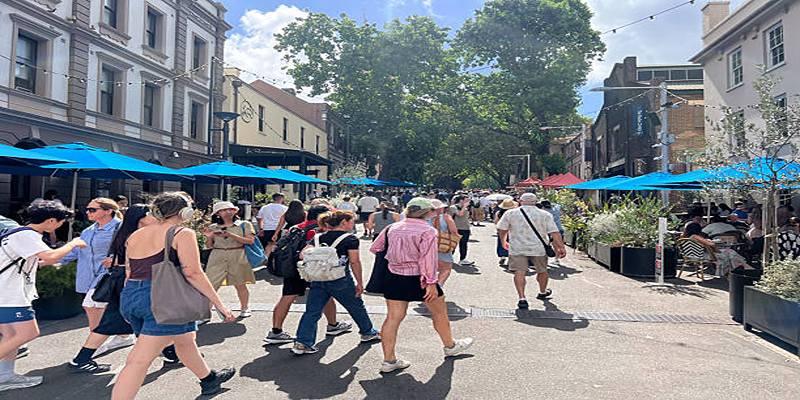
Summer might sound tempting—and yes, the sea is warm, and the sunsets are incredible—but it also brings the kind of crowds that slow you down and make everything more expensive. If you can swing it, late spring or early fall is your best bet. Think May or late September. The weather is still warm, but the crowds thin out. Locals have more time for conversations, restaurants are a bit less rushed, and you won’t be elbowing your way through Stradun, the main street.
Rain can come quickly, especially in autumn, but it usually doesn’t last long. Just bring a light jacket and keep your plans flexible. If you get caught in a sudden downpour, duck into a cafe and watch it pass. It’s part of the experience.
Where To Stay And Why It Matters?
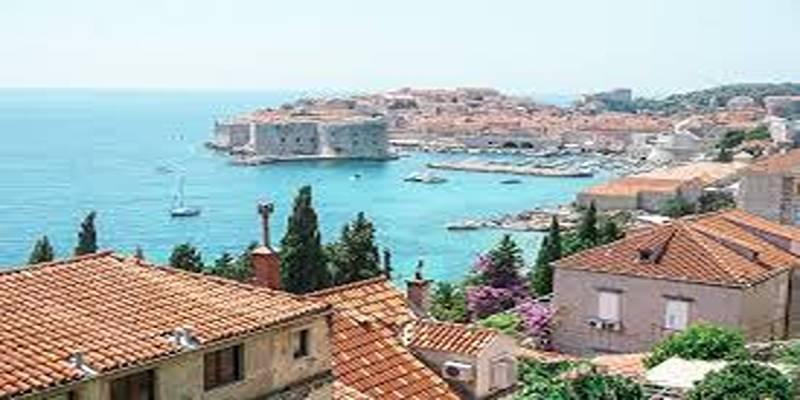
Choosing where to stay in Dubrovnik can shape your whole trip. If it’s your first time, staying inside or just outside the Old Town walls gives you easy access to the main sights. You’ll pay more, but you’ll save time and energy. Mornings are especially peaceful before the tour groups arrive, and late evenings are just beautiful—golden light, quiet streets, and the occasional cat lounging on a warm stone ledge.
If you're looking for more space, fewer stairs, or just a little peace, neighborhoods like Lapad or Gruž might suit you better. Lapad has more greenery, a long seaside promenade, and calmer beaches. Gruž is where the port is, and it's less polished but very real. Prices are lower, and it’s a good spot if you're planning day trips to the nearby islands.
What To Eat (And When To Eat It)?
Food in Dubrovnik isn’t about fancy presentation or confusing menus. It’s simple, fresh, and often grilled. Seafood is a big deal here, and you can smell it sizzling by the harbor most nights. Think octopus salad, black risotto made with cuttlefish ink, and mussels in a light garlic broth. Meat lovers won’t feel left out either—lamb and beef dishes are common, especially slow-cooked peka, which takes hours but is worth the wait.
Lunchtime usually runs from about noon to 3 pm, and many places offer a daily menu that's cheaper than dinner. If you’re on a budget, this is the time to try a nicer place without breaking the bank. Dinner starts late. Don’t be surprised if locals show up at 9 pm and stay for hours. It’s not just about the food. It’s about slowing down.
Beaches, Swimming Spots, And Finding Quiet Moments
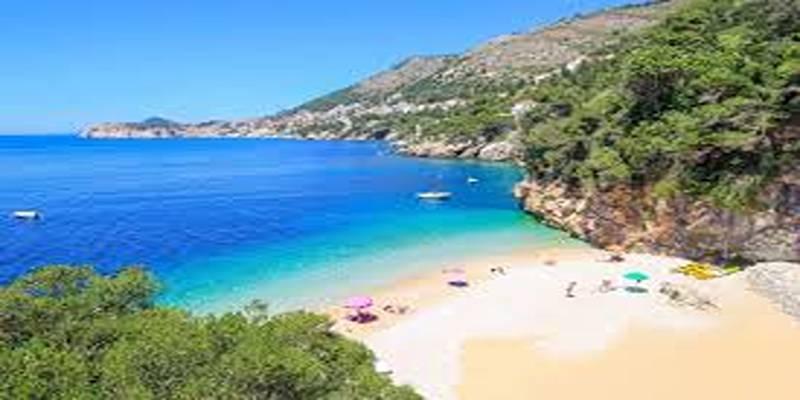
Banje Beach is the one you’ll see in every photo. It’s close to the Old Town and has a great view, but it can get loud and packed. If you’re after something quieter, take a walk around the coastline and you’ll find little swimming spots—just some steps leading down to the water, no sand, just stone and sea.
Sveti Jakov Beach is a bit further but worth the effort. It’s cleaner, less crowded, and feels more local. You’ll need to climb down some stairs, but it’s a good place to relax for a few hours without too much noise.
The water is usually clear and calm, and you won’t need much more than a towel, some snacks, and maybe a pair of water shoes to make getting in and out a bit easier. Sunsets are slow here. Find a bench or sit on the rocks. It’s free, it’s quiet, and it never feels old.
Day Trips Worth Considering
Dubrovnik is great, but you don’t have to spend every day inside the walls. Just across the water, Lokrum Island makes a great short escape. You can catch a boat from the harbor, and in about 15 minutes, you're surrounded by pine trees, quiet paths, and rocky swimming spots. No cars. No hotels. Just nature.
If you're feeling more adventurous, the Elafiti Islands are another option. A few of them have small villages, old churches, and beaches you can reach by ferry. It’s not fancy, and that’s the point. It’s the kind of place where time slows down.
Conclusion
Dubrovnik doesn’t demand that you be busy. It gives you space to slow down, take your time, and enjoy things as they come. Whether you're there for the food, the sea, the scenery, or to sit in the sun and feel still for a while, something is grounding about this place. You won’t need filters or fancy plans. Just a bit of time, an open mind, and maybe a pair of decent walking shoes. That’s more than enough.