
The pain in the shoulder is a discomfort that is often overlooked intellectually due to its position or muscle tension. Nevertheless, any consistent or unexplained pain may at times be a symptom of a serious problem such as lung cancer. It is critical to tackle the particles of alarm in their early stage because when teachers acknowledge the changes promptly, it is possible to enhance the results of treatment and overall health.
How Shoulder Pain Can Signal Lung Cancer?
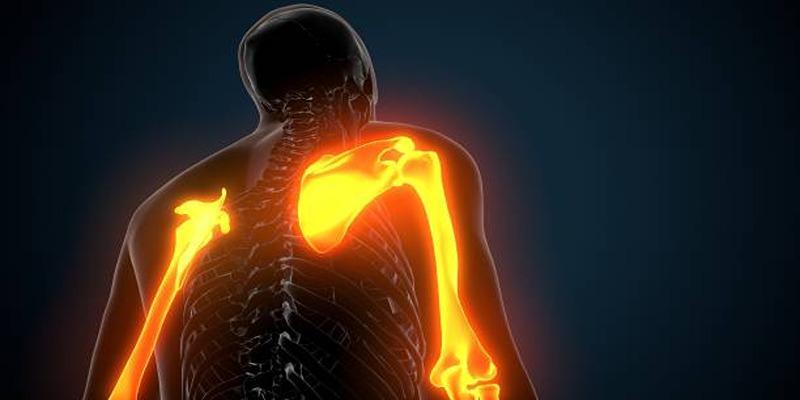
Persistent coughing or shortness of breath is one of the respiratory disorders often connected with lung cancer. Nonetheless, there are some instances where the disease may present itself in the form of shoulder pain.
It is a common occurrence when a tumour grows close to the upper part of the lung, referred to as a Pancoast tumour. These tumours develop at the peak of the lung and can press against surrounding nerves, such as the brachial plexus, which regulates motion and sensation in the shoulder, arm, and hand.
Key Symptoms
The warning indicators to seek medical advice include:
- Constant cough which does not respond to the usual remedies, and in some cases, is characterised by blood colored mucus.
- Breathlessness or wheezing that is not attributed to respiratory problems.
- Unable to gain weight or loss of appetite has no apparent cause.
- Lifestyle Unexplained fatigue without a temporary illness.
- Sensation of pain along the arm of the shoulder to the arm, and may be accompanied by numbness or tingling.
- Possibly because of a blockage of veins around the lungs, swelling can occur in the face, neck, or upper arms.
Early observation of the conditions can contribute to a more rapid diagnosis and an increased likelihood of a successful cure.
Why Lung Tumours Cause Shoulder Pain?
Several physiological processes organise the reasons behind the possibility of a lung tumour causing pain in the shoulder:
- Nerve Compression: Tumours located on the top of the lung may compress the brachial plexus, resulting in symptoms such as constant pain, weakness, or tingling in the same shoulder and arm.
- Inflammation: Localised inflammation may occur due to cancerous growths, which irritate tissues and cause superimposed pain that responds poorly to traditional pain medications.
- Bone Involvement: In more severe cases, the tumour may extend into adjacent bones, such as the ribs or clavicle, producing pain that mimics musculoskeletal injuries.
- Referral Pain: Tavering referred pain may cause aches or pain in the arm when the problem originates in the lungs.
These mechanisms are essential in the identification of cancer-related shoulder pain in contrast to the practice of ordinary musculoskeletal pain.
Recognised Risk Factors
Anybody can contribute towards lung cancer, but some factors can predispose a person. Such understanding of risk factors will allow for the recognition of individuals who need to take an assessment as soon as there is unusual pain in the shoulder:
- Prolonged exposure to pollutant substances of the environment, like smoke, asbestos or industrial chemicals.
- They have a history of long-term lung exorbit, such as bronchitis or emphysema.
- There is a history of respiratory cancers, including lung cancer, in the family.
- Above 50 years of age, since the risk increases with age.
Individuals who have one or more of these risk factors should be particularly attentive to any newly emerging or progressive shoulder pain.
Diagnostic Evaluation
To diagnose lung cancer with high accuracy, a comprehensive method must be planned. The following steps usually guide medical doctors:
- Medical History and Physical Examination: A thorough examination to detect the risk factors, causes of symptoms, and the involvement of nerves.
- Imaging Tests: X-rays, computer tomography, and magnetic resonance imaging are tests that provide a detailed view of the lungs and pulmonary structures. Such scans can detect abnormal growths or lesions at an earlier stage.
- Tissue Biopsy: Once an image reveals a suspected mass, a sample is taken to determine whether it is a cancerous mass.
- Pulmonary Function Tests: Determine lung capacity and functionality, especially when the symptoms involve respiratory pain.
- Electromyography and Nerve Conduction Studies: These tests can be ordered in cases where cerebral palsy is suspected to be related to meningomyelocoele, to determine the degree of nerve compression.
Treatment Options for Lung Cancer-Related Shoulder Pain

Treatment is based on the type of tumour, its size, location, and overall health. Key approaches include:
- Surgery: In some cases, the tumour may be localised; hence, removal is usually advised in such instances. It may entail the rejection of part of the lung or other adjacent tissues.
- Radiation Therapy: Radiation involved in radiation treatment is aimed at cancer cells but causes minimal damage to normal body tissues. It has a significant effect, especially on tumours which are not surgically accessible.
- Chemotherapy: Treatment spread to the whole body with special medicines aids in the reduction of tumours or in the treatment of cancer that has already spread.
- Targeted Therapy: Targeted therapy involves specific medicines that produce an individualised treatment regimen by targeting modifications in the structure of the cancerous cells.
- Pain Management: The use of medications, physical therapy, or nerve blocks can improve a patient's overall comfort and quality of life by addressing shoulder pain.
Lifestyle Considerations and Preventive Measures
Although lung cancer is invariably treatable, some lifestyle and environmental measures can help lower the risk:
- Reduce the exposure to occupational hazards and air pollutants.
- Ensure regular medical examinations, especially after a risk factor has been identified.
- Exercise and keep your lungs moving regularly to make you generally fit.
- Eat a balanced diet that supports overall health.
- Avoid spending a lot of time in environments with low air quality.
Conclusion
While shoulder pain is often benign and related to muscle strain or overuse, persistent or unexplained discomfort should never be ignored. When accompanied by other warning signs such as persistent cough, shortness of breath, unexplained weight loss, or numbness in the arm, shoulder pain may indicate a Pancoast tumour or other forms of lung cancer. Understanding the link between shoulder pain and lung health is vital for early detection and effective treatment.